Sabre Antique Japonais Katana par Fujiwara Takada - Hozon
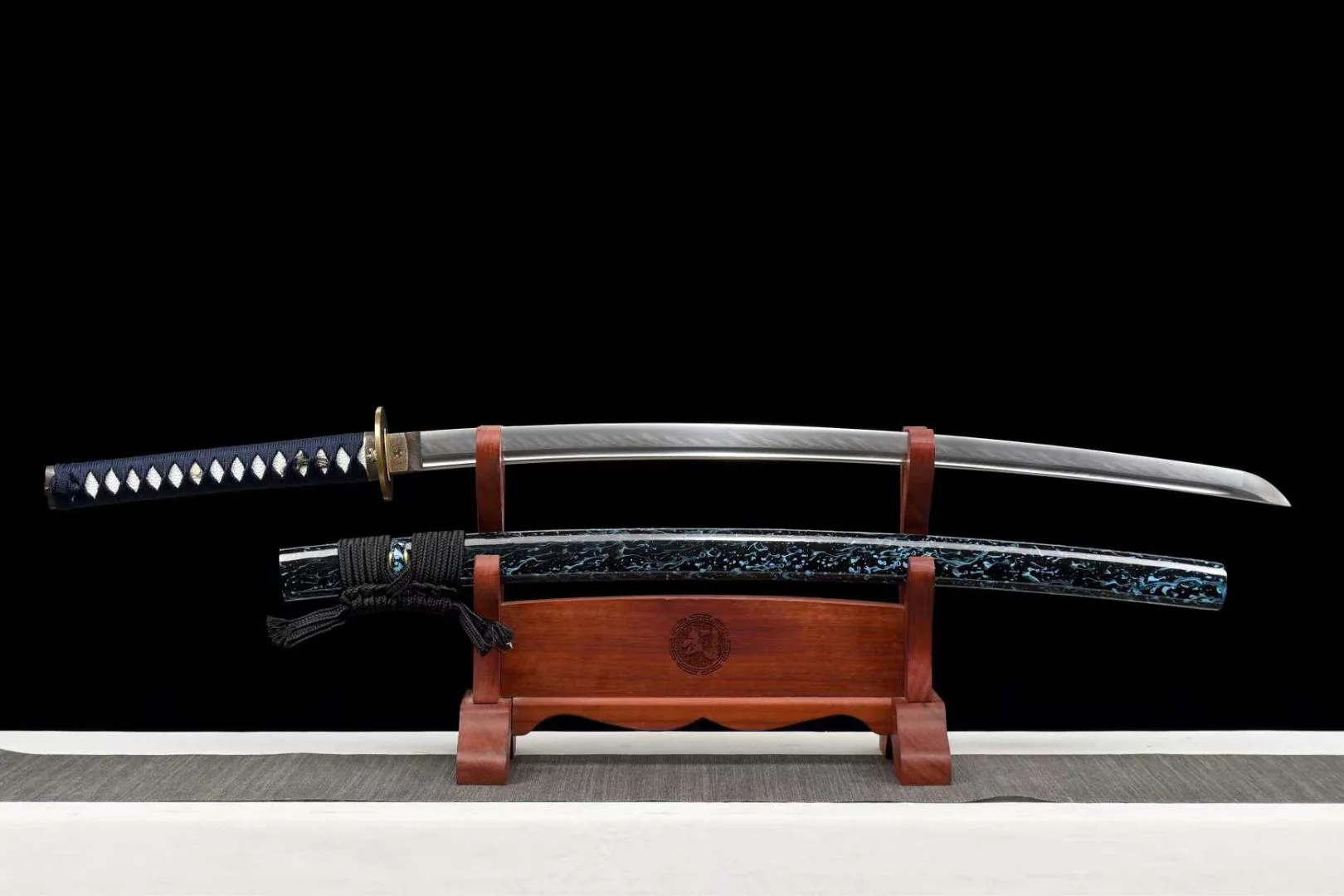
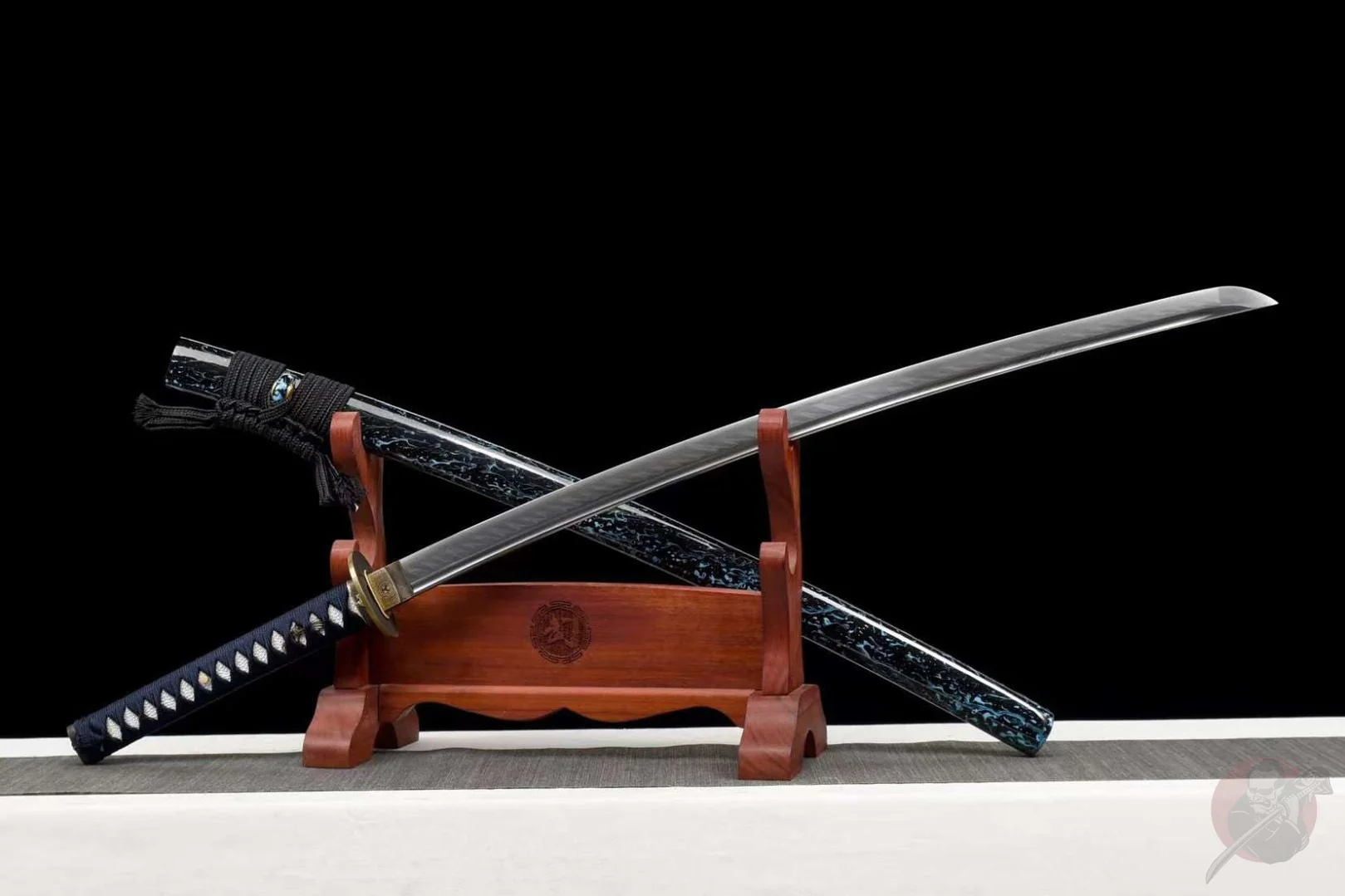
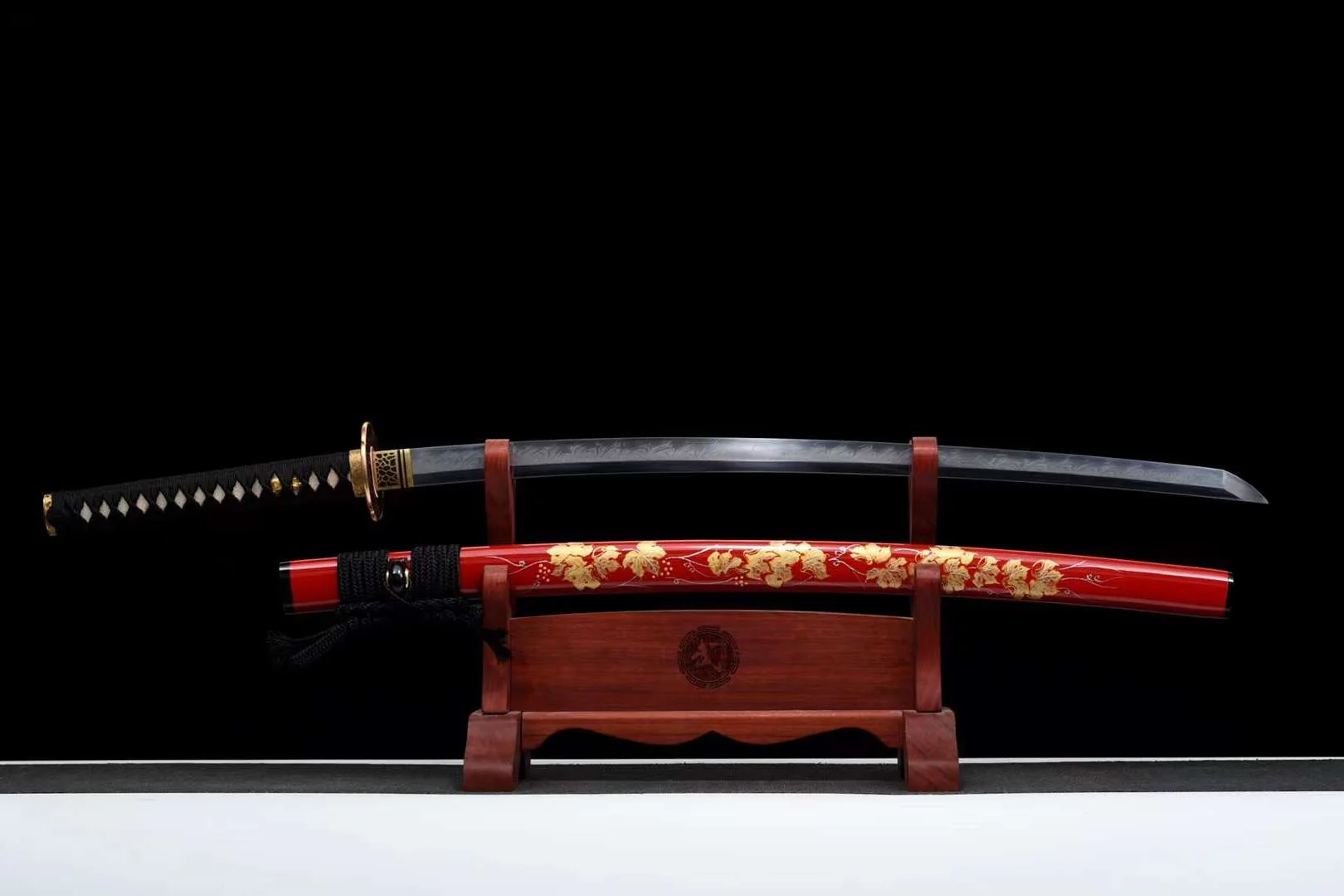
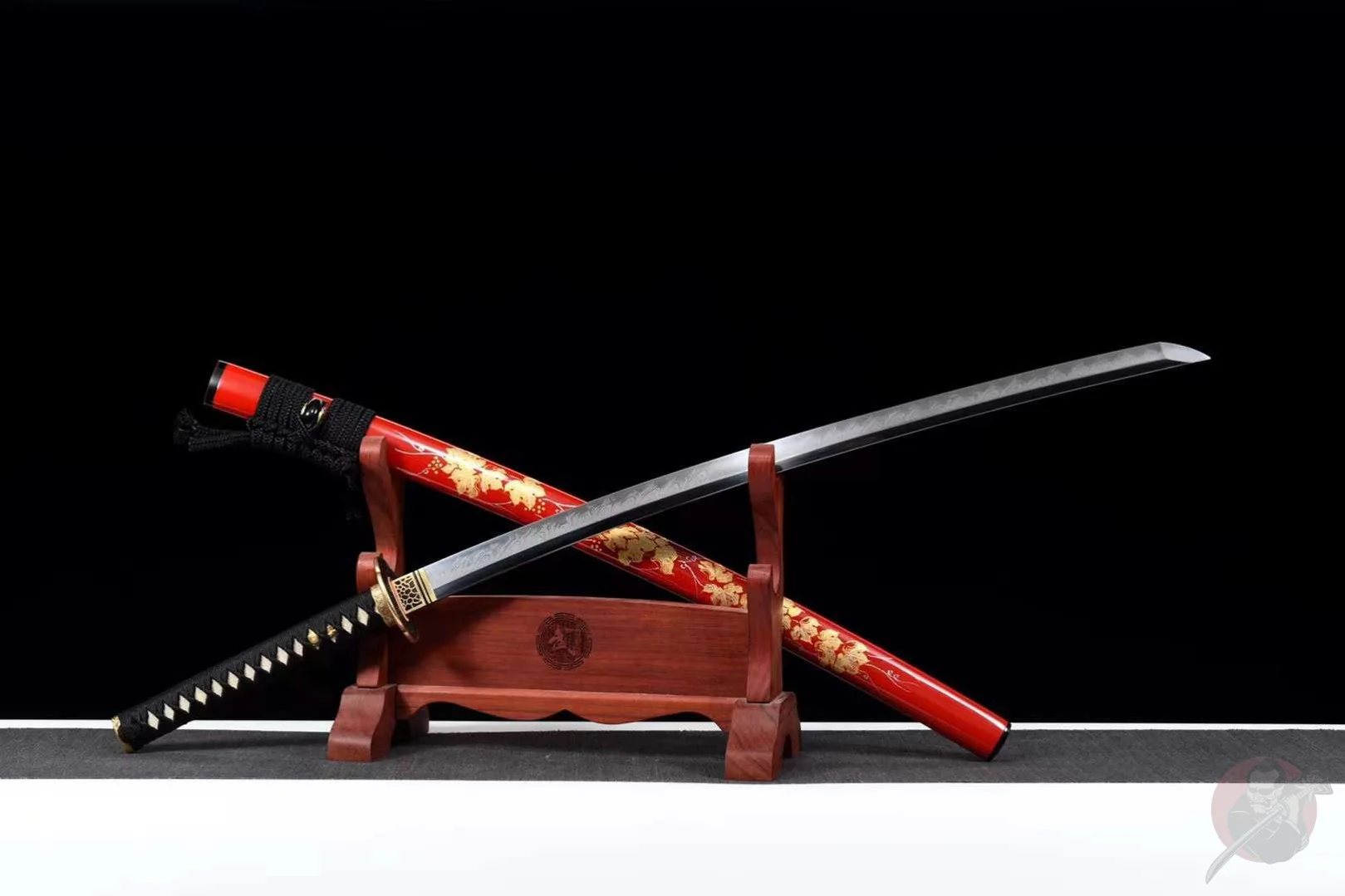
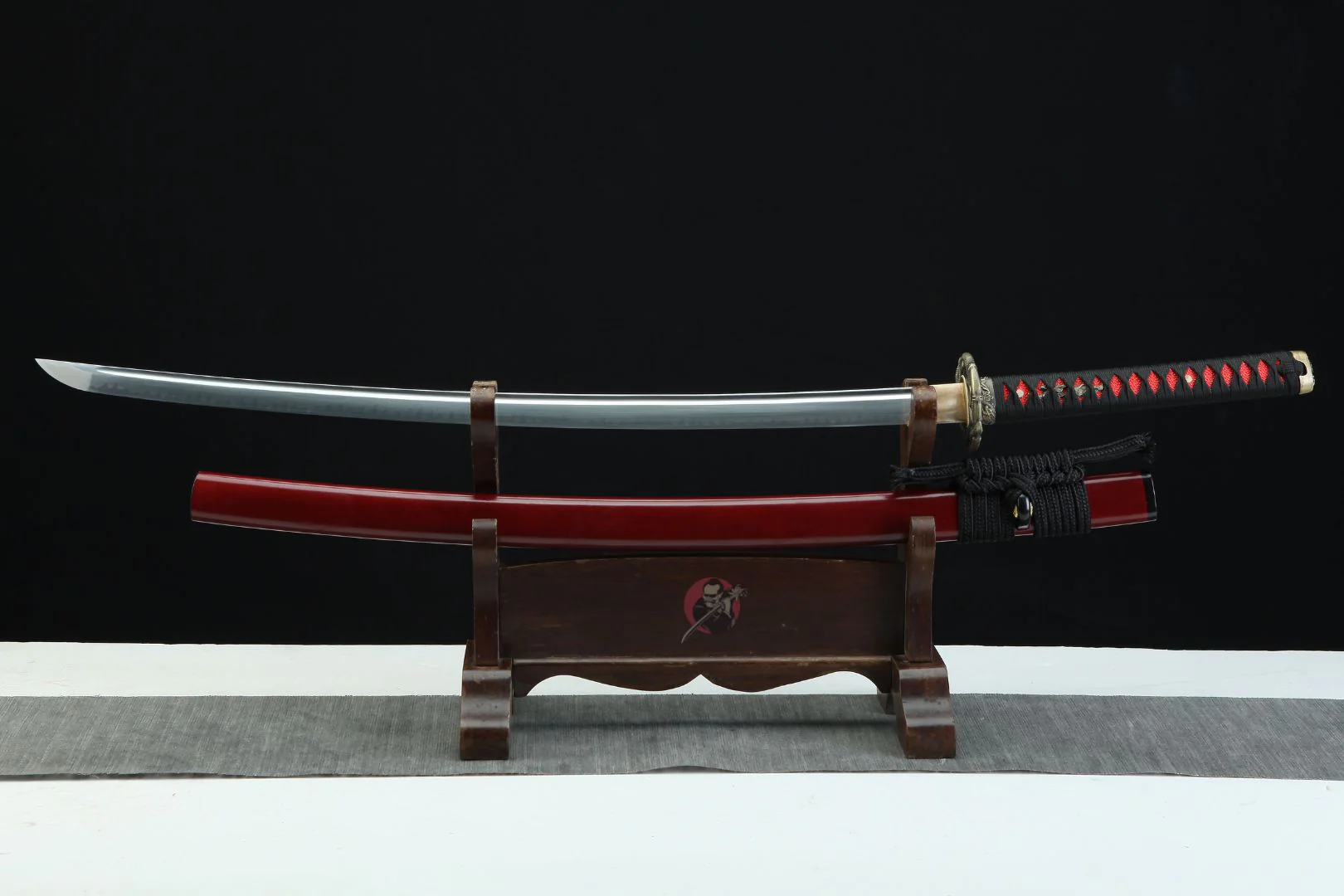
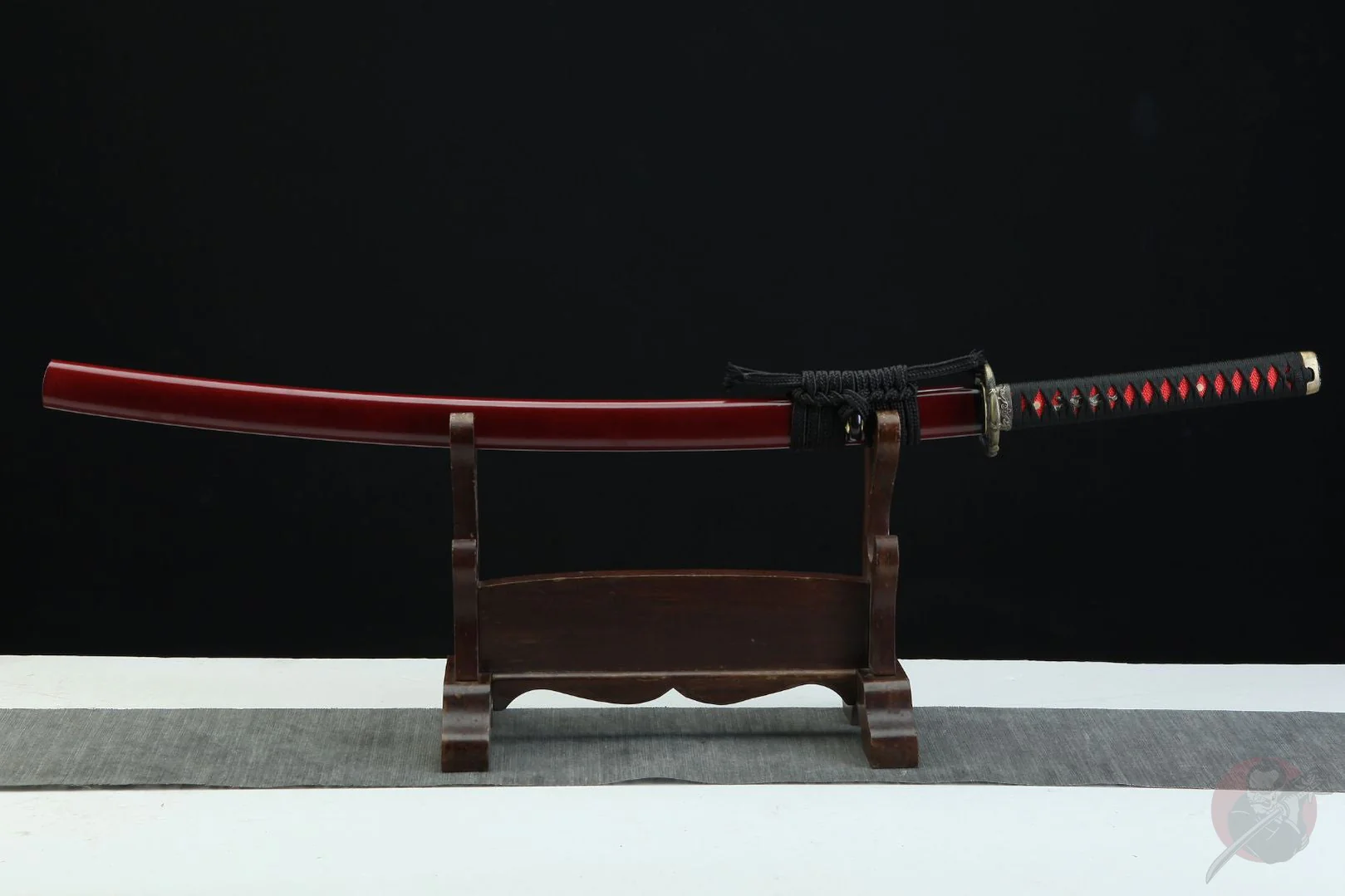
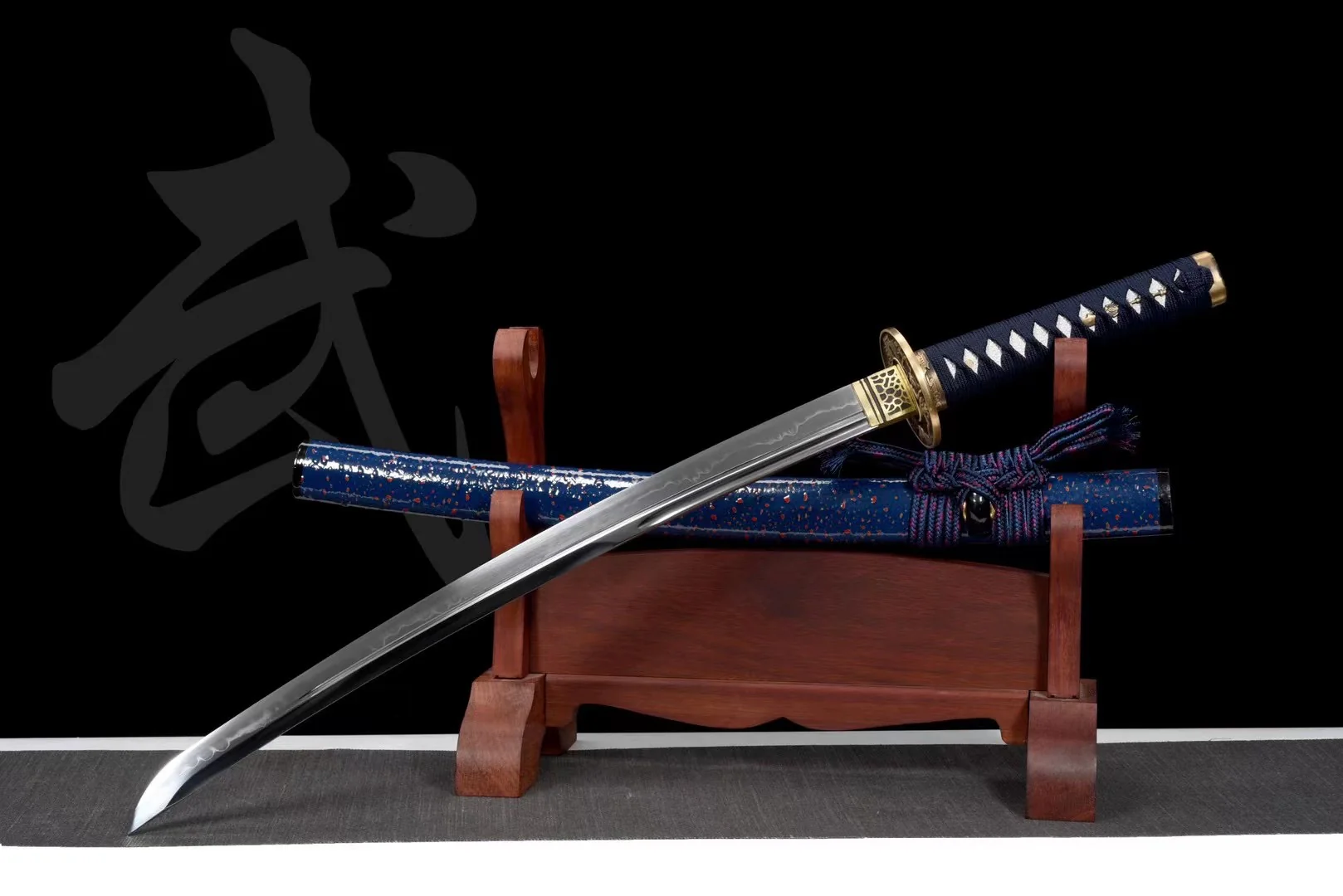
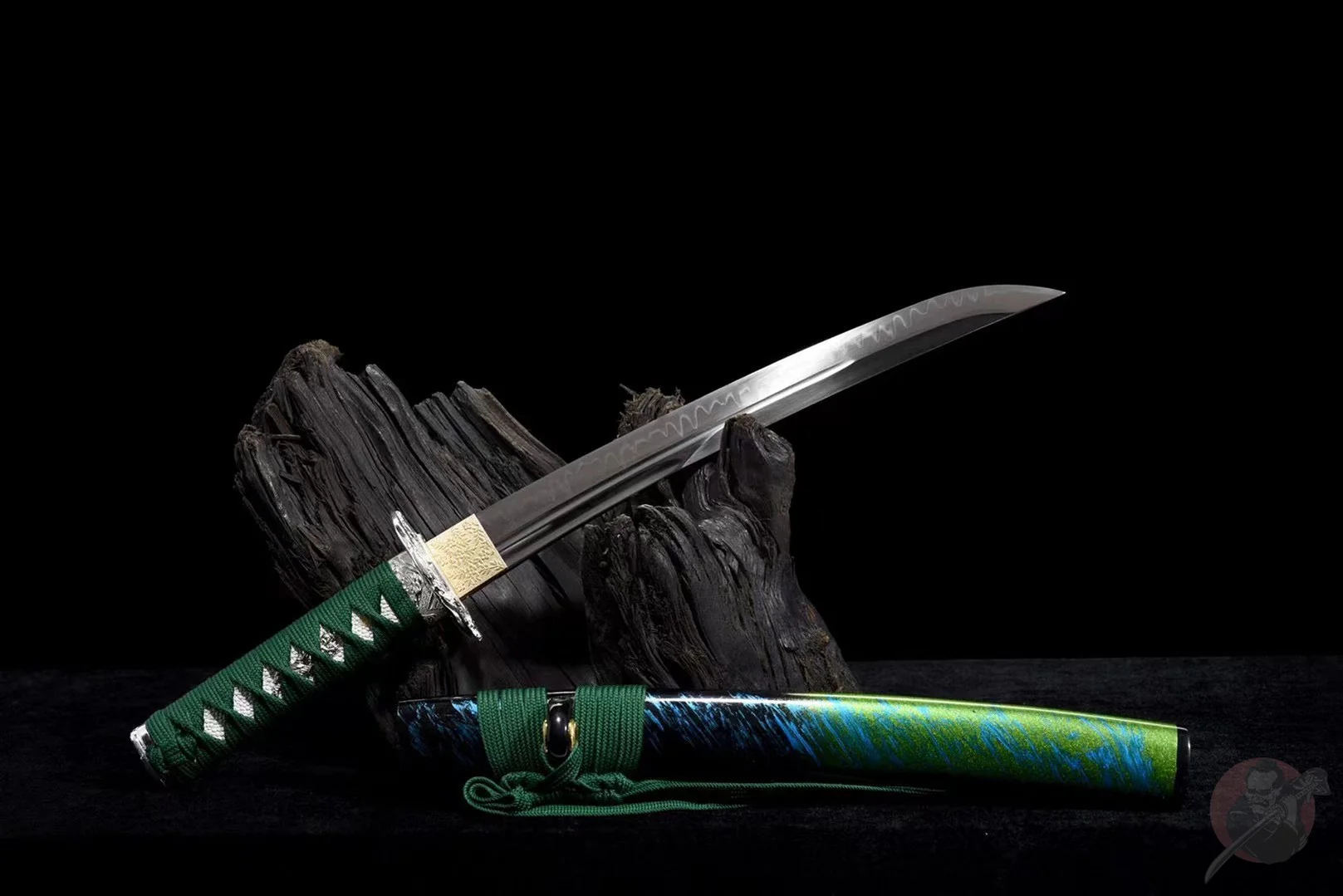
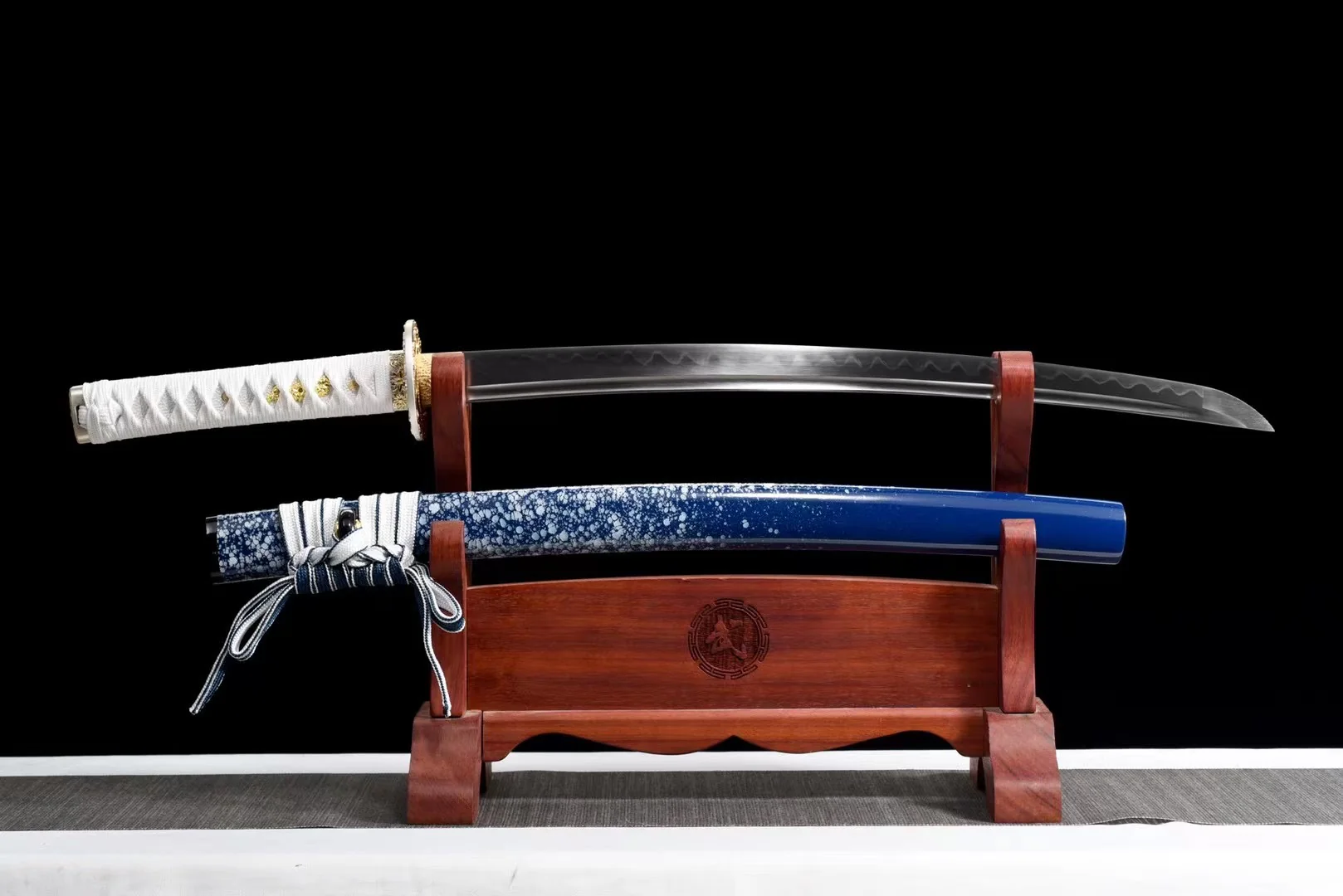
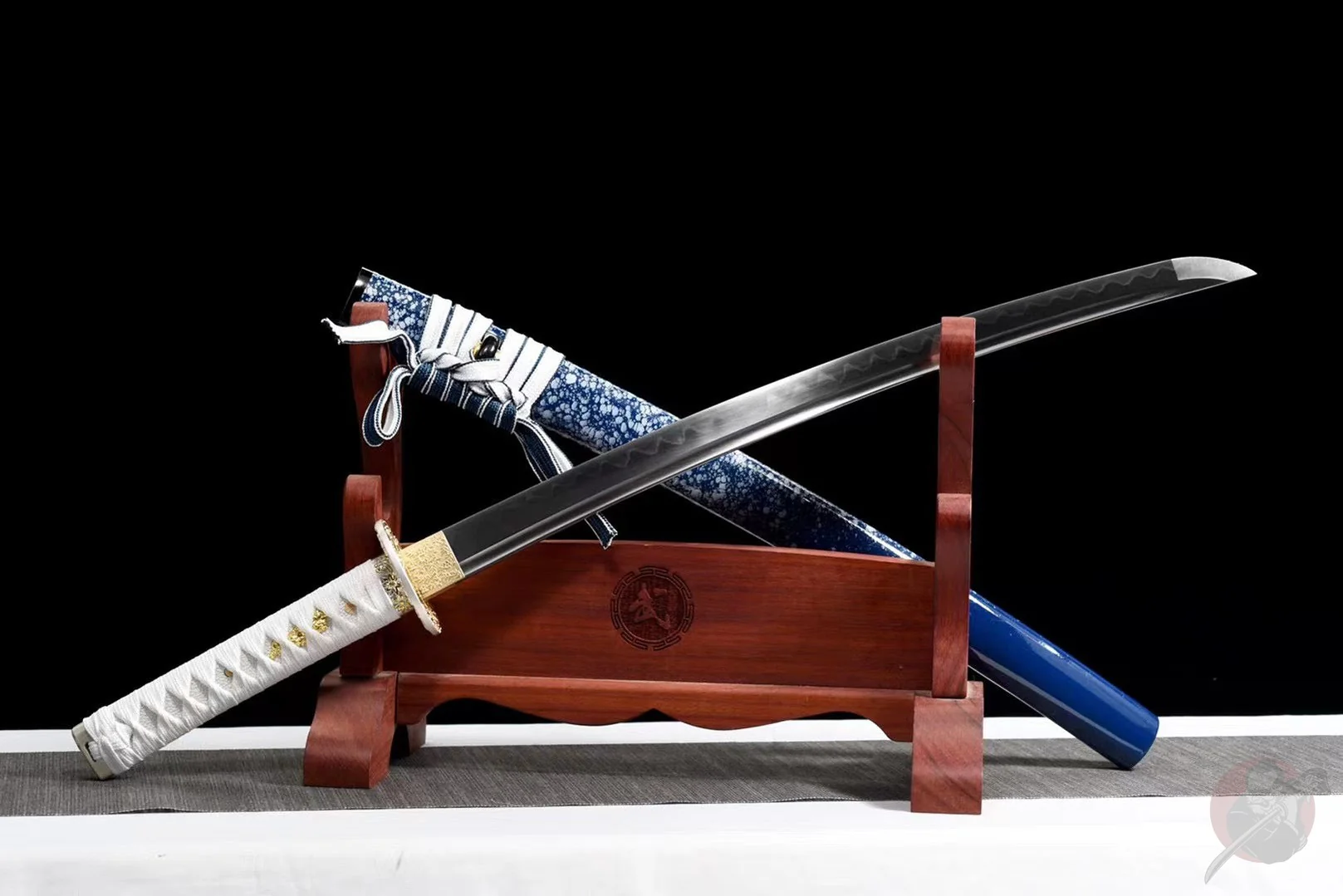
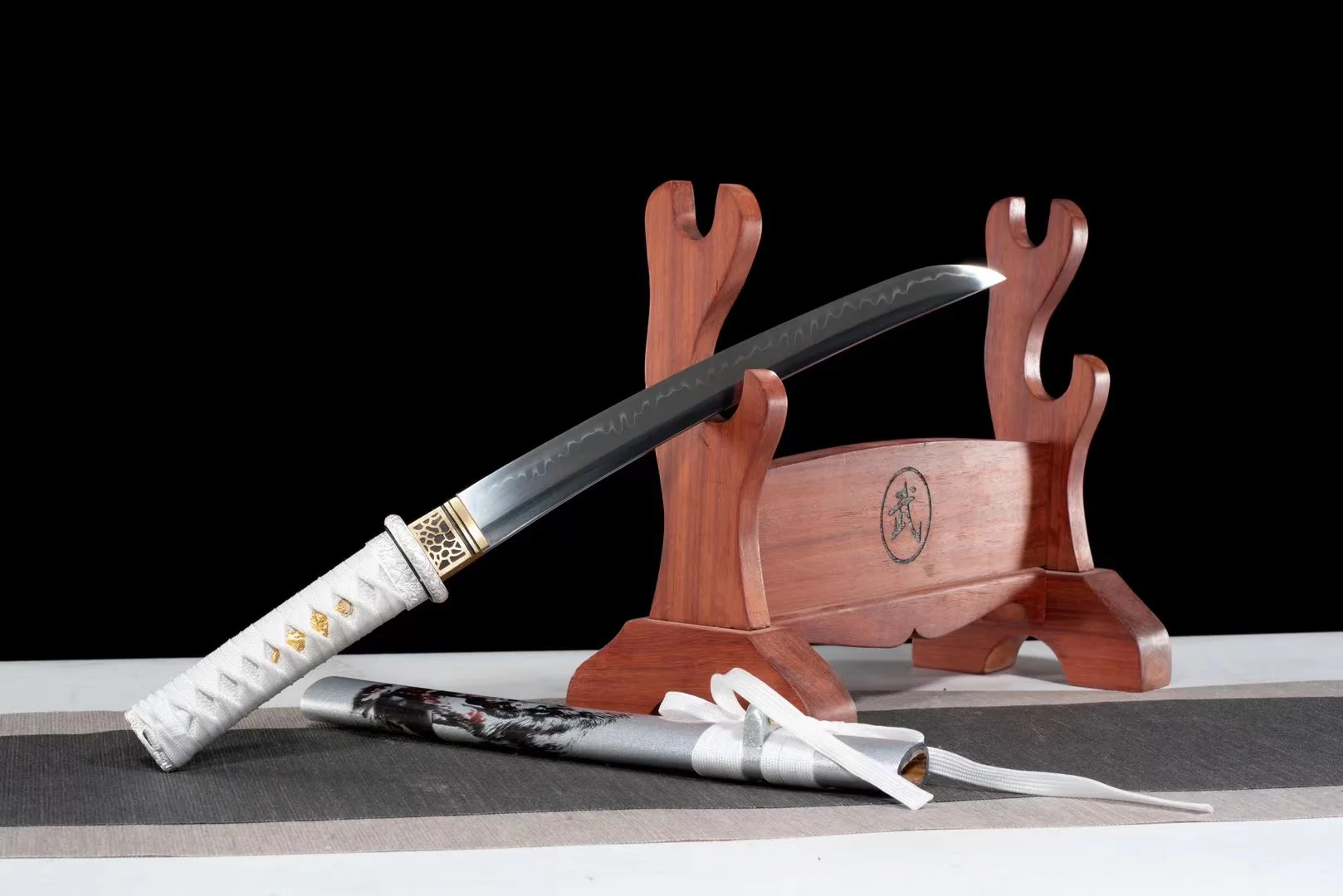
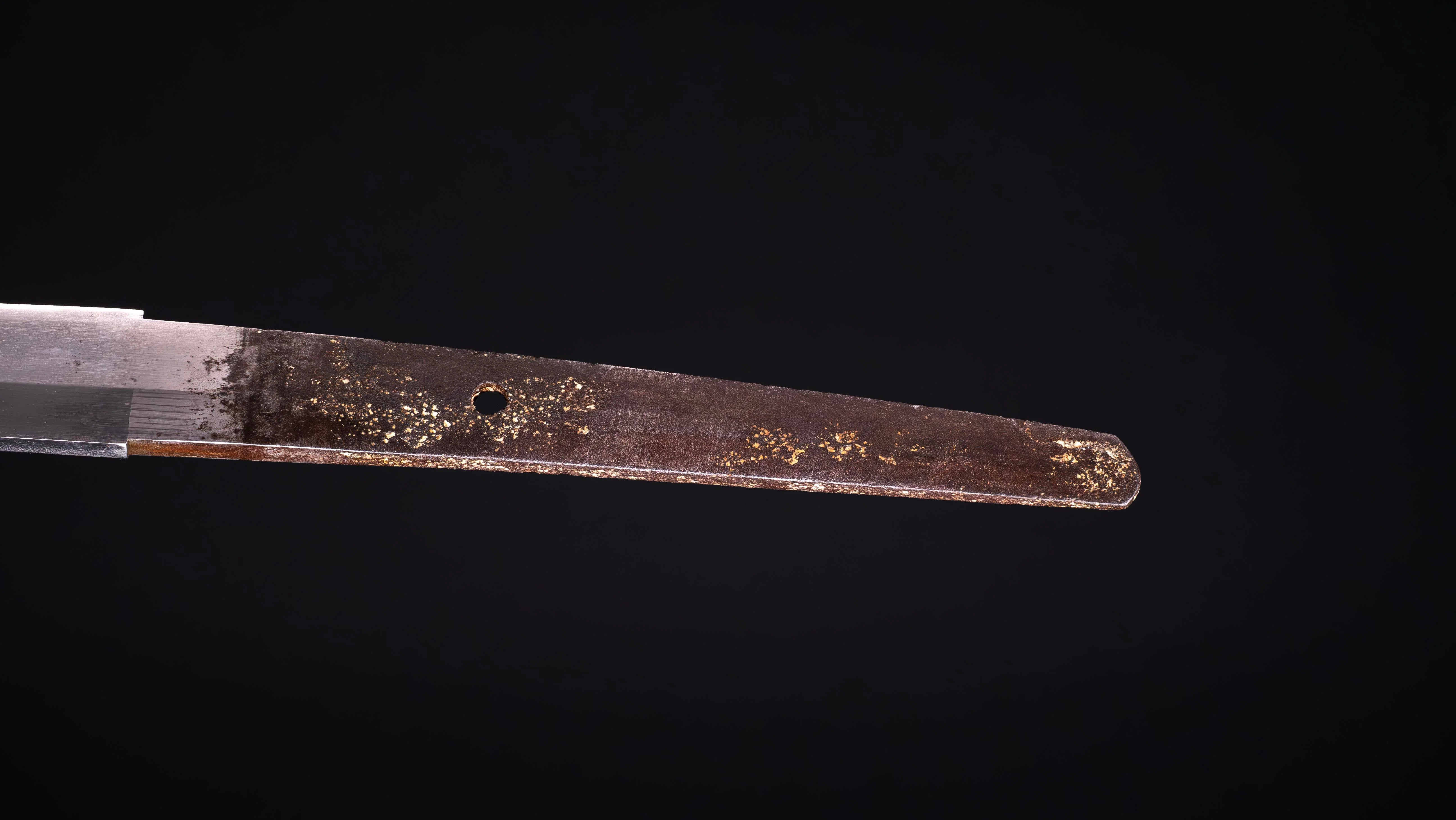
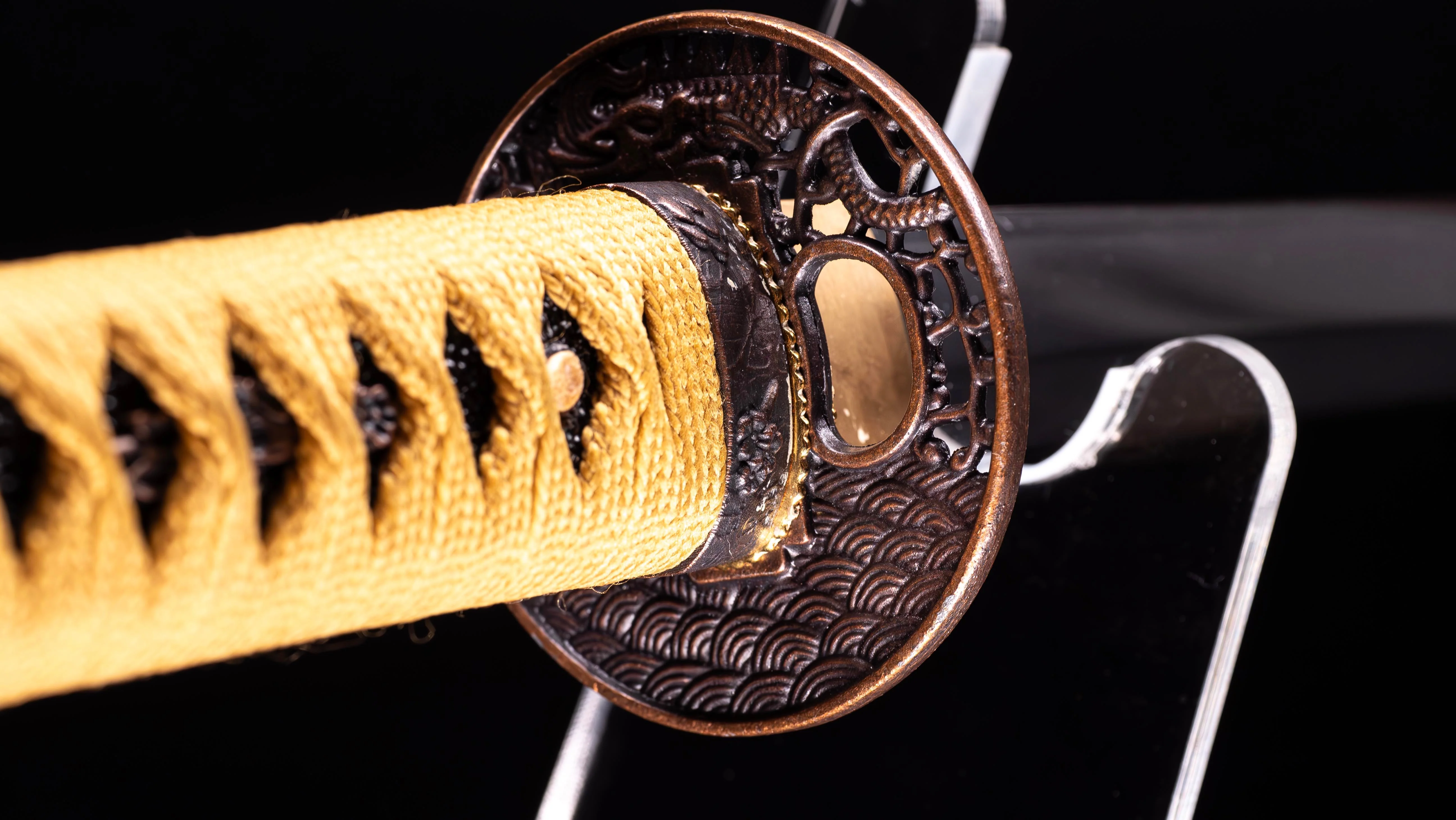
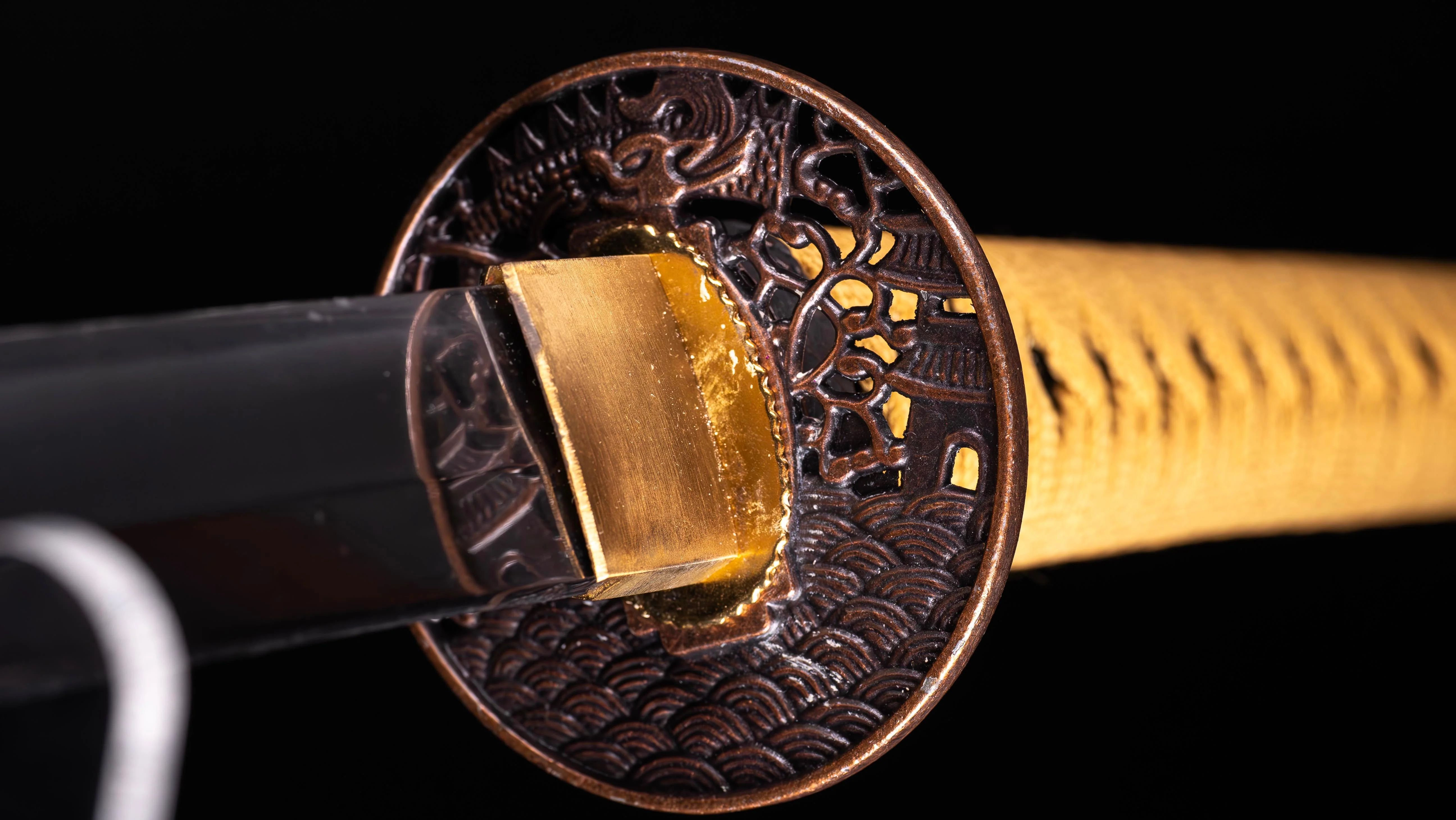
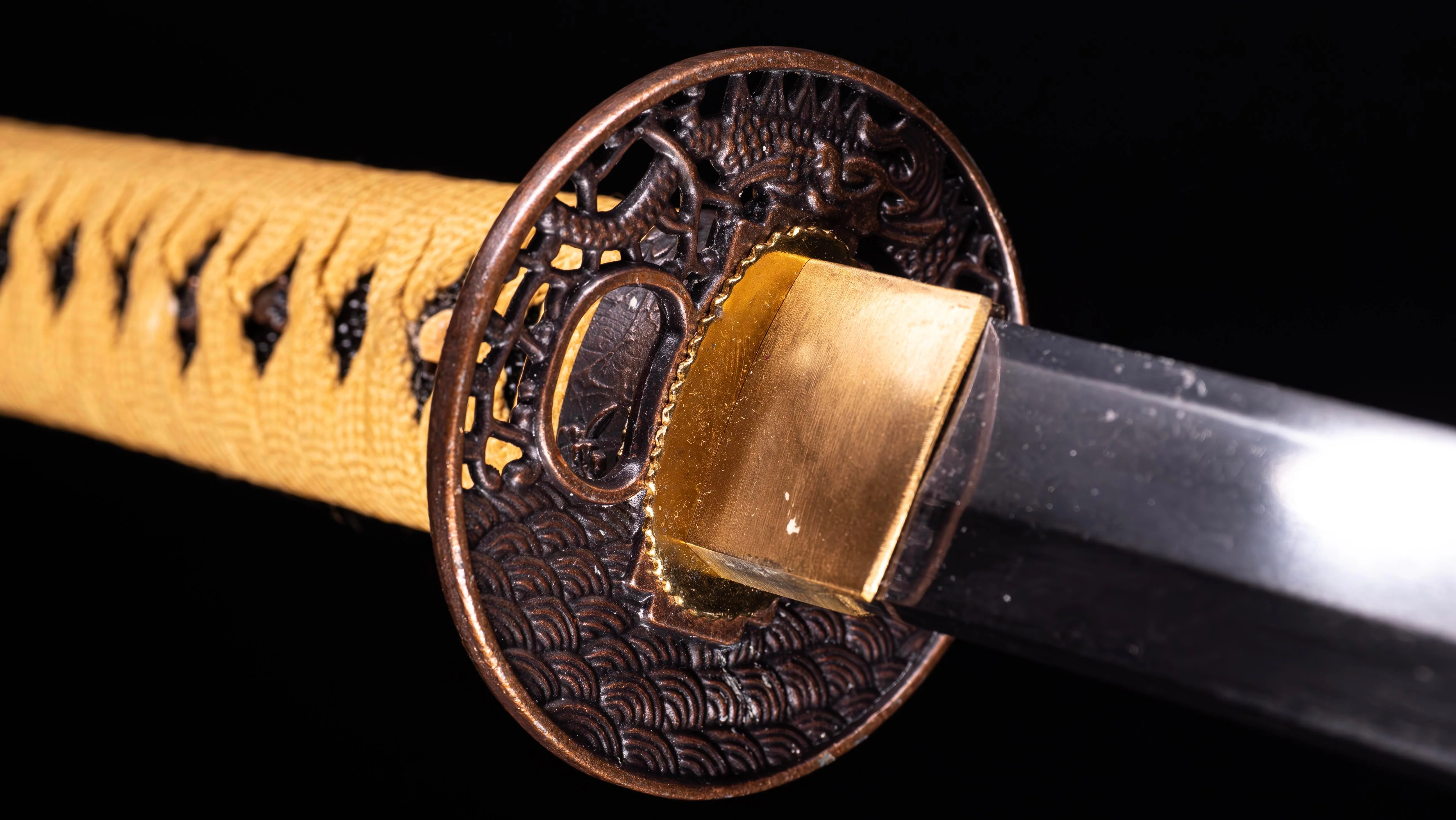
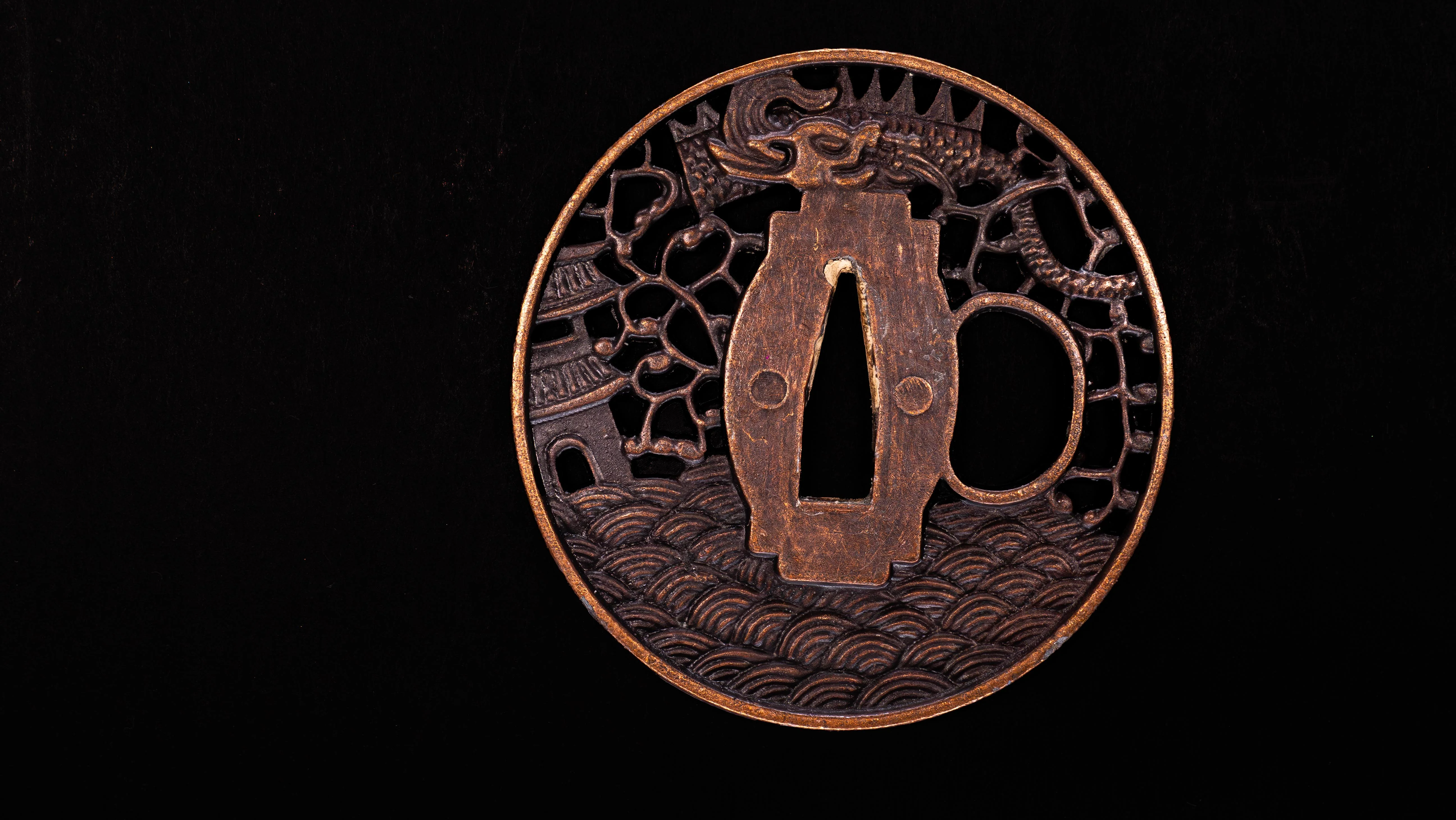
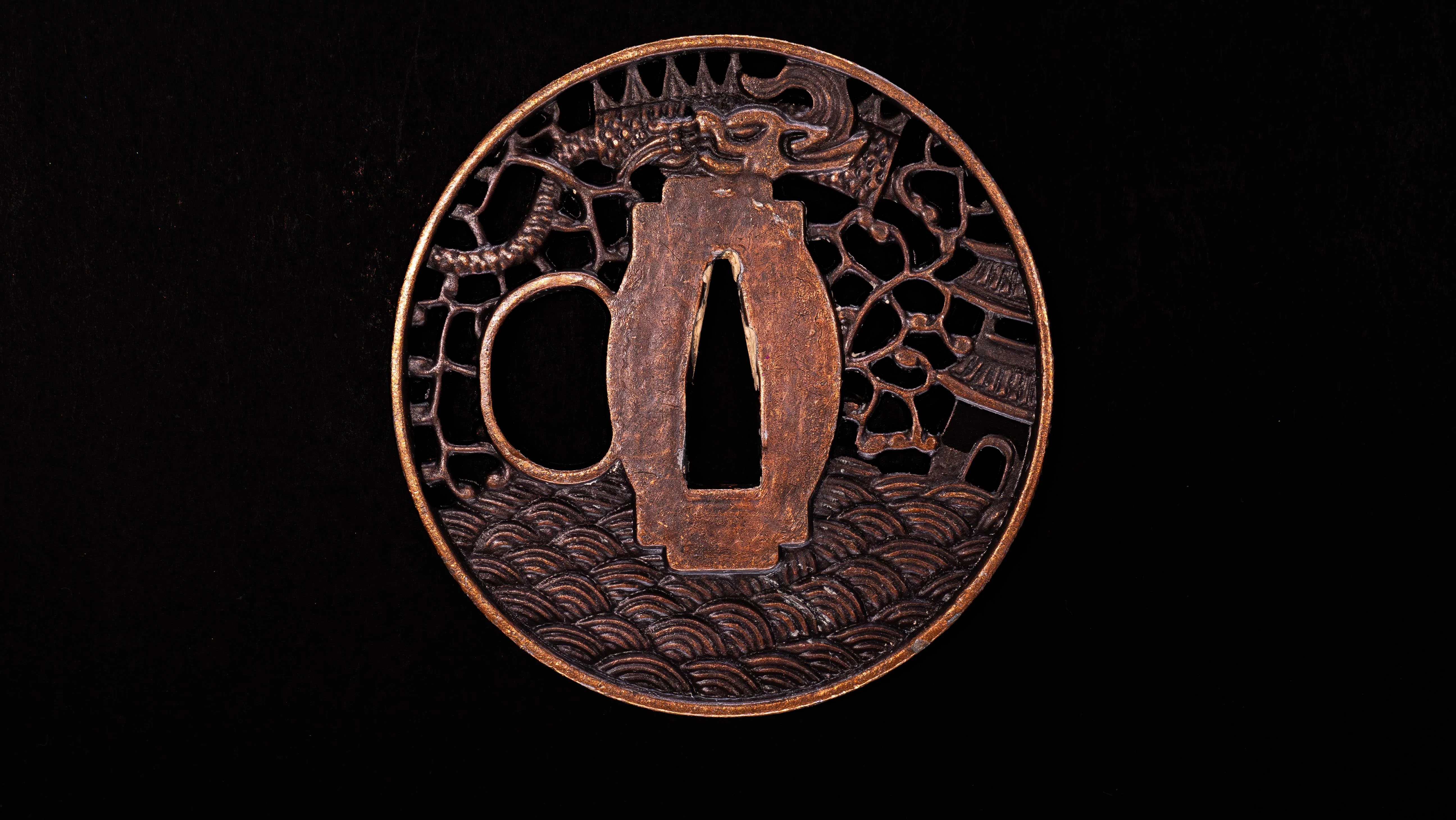
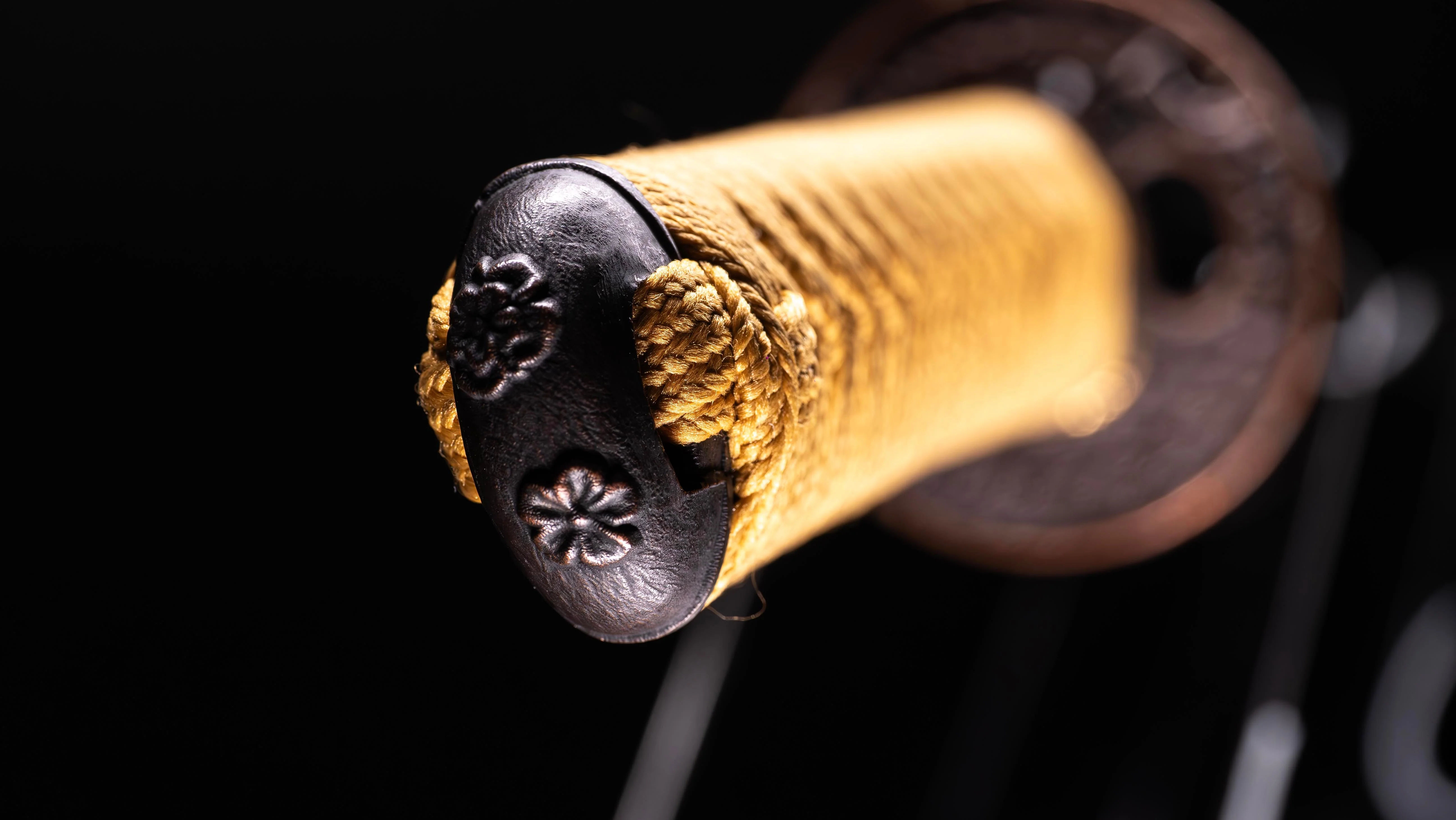
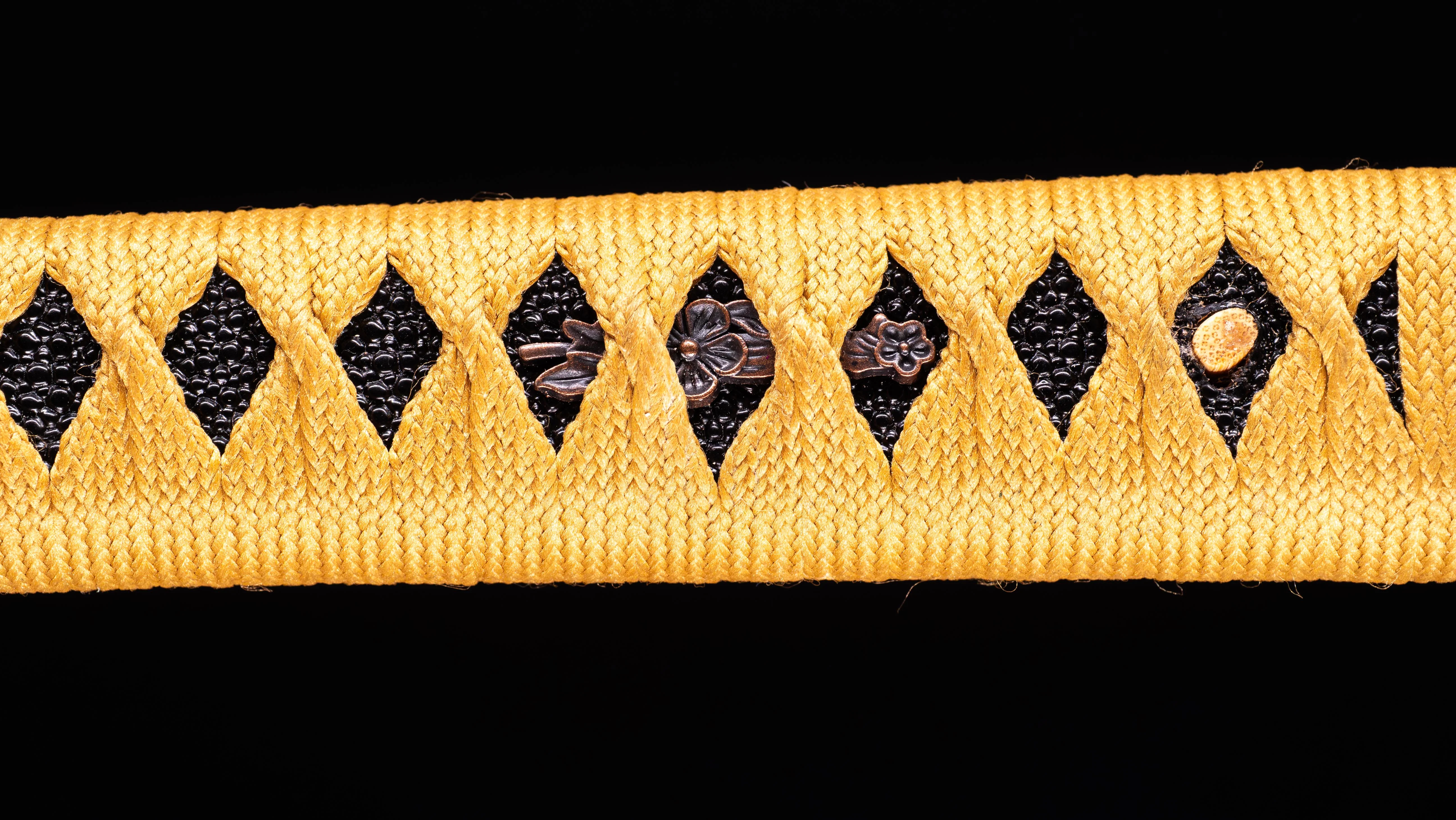
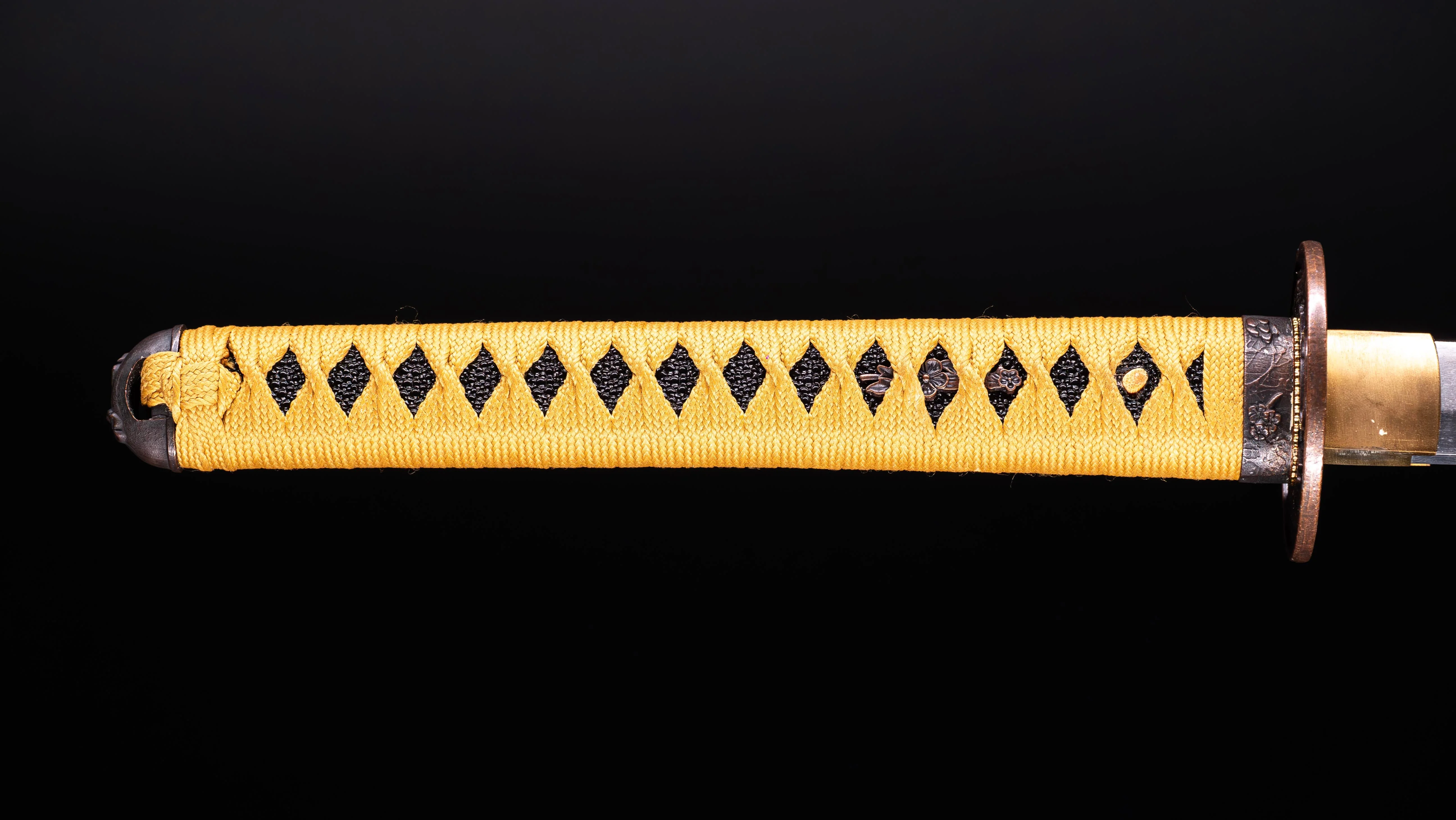
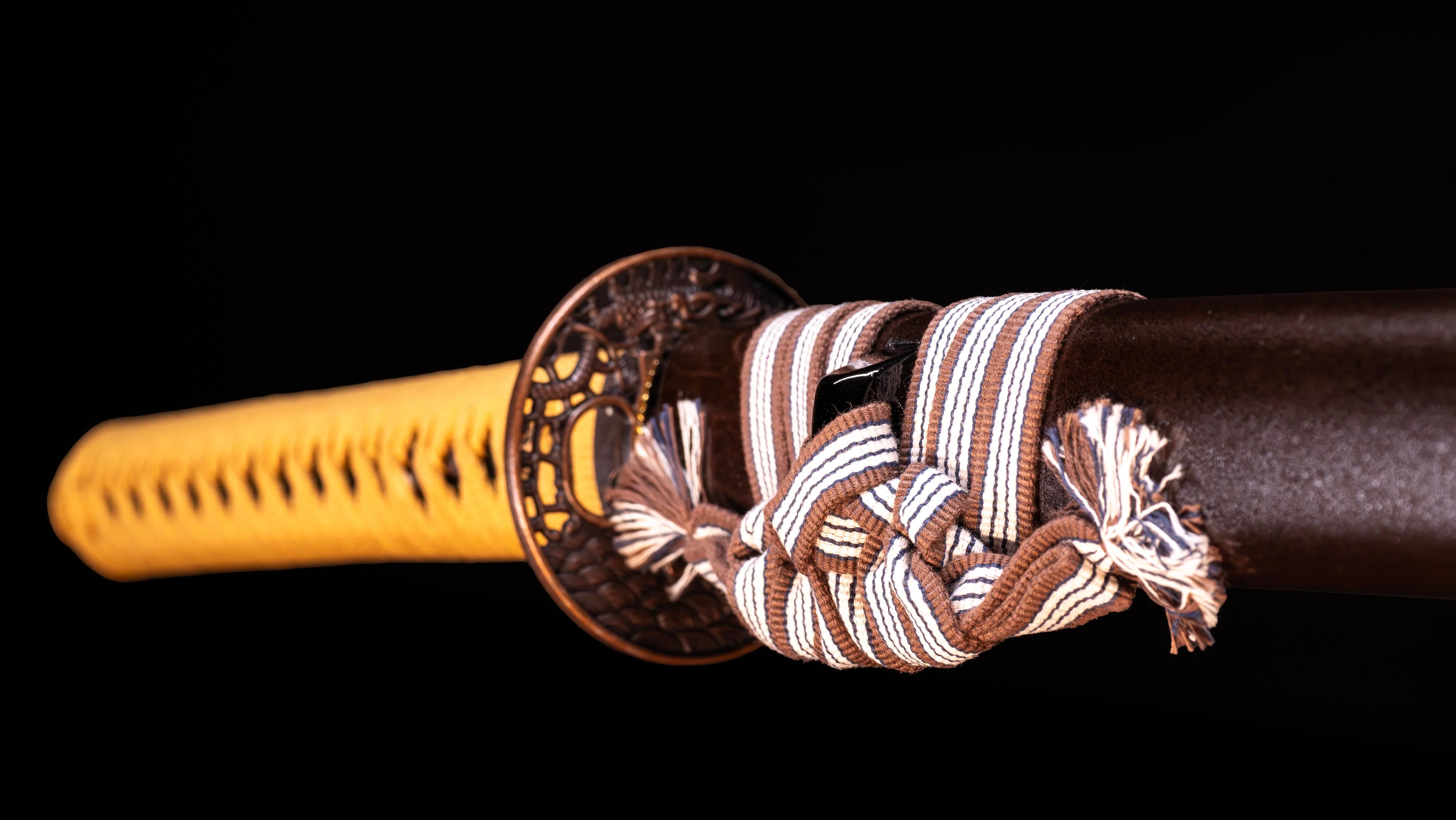
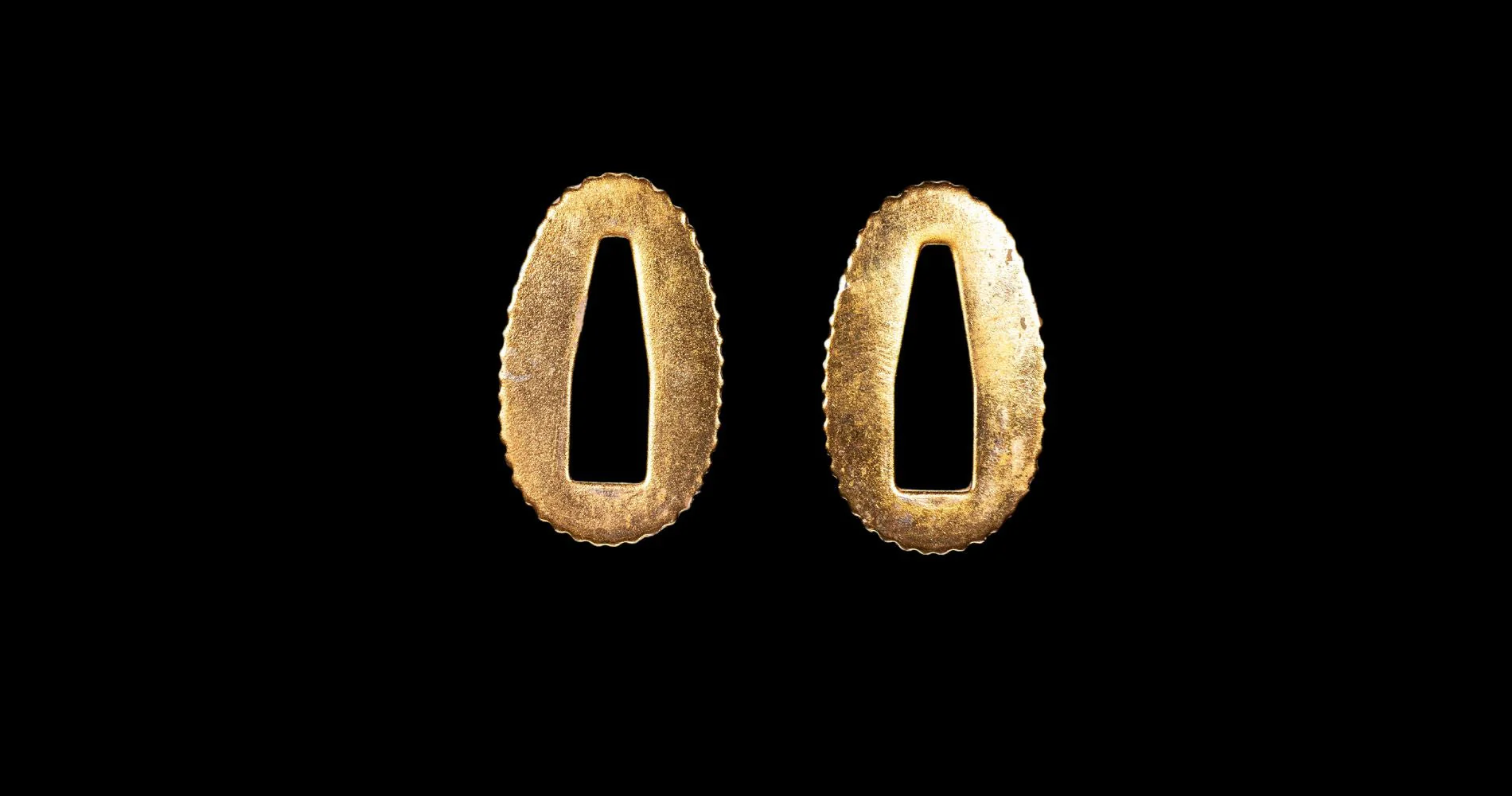
This katana, attributed to the Fujiwara Takada school from the Bungo Province (present-day Oita Prefecture), represents the epitome of practical sword-making from the early Edo period. Though unsigned (mumei), the sword has been appraised and certified to be from the Takada school, a lineage recognized for producing strong, durable blades often used by samurai in battle.
Specifications:
- Signature: Mumei (unsigned)
- Appraisal: Fujiwara Takada
- Blade Length: 63.1 cm
- Curvature (Sori): 0.4 cm
- Width at Base (Motohaba): 3.00 cm
- Thickness at Base (Motokasane): 0.7 cm
- Width at Tip (Sakihaba): 2.20 cm
- Thickness at Tip (Sakikasane): 0.53 cm
- Weight (Blade only): 640 g
Blade Features:
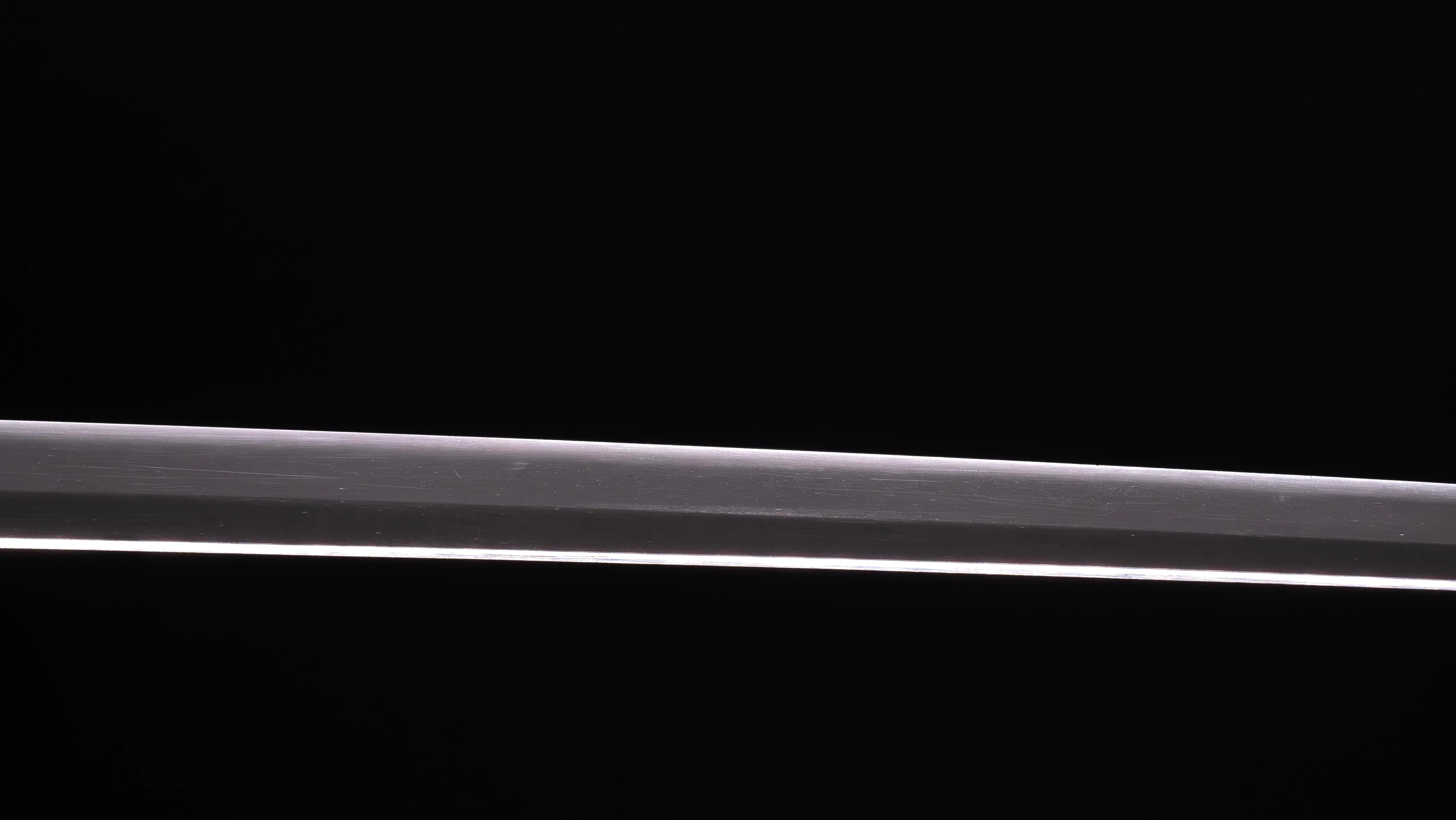
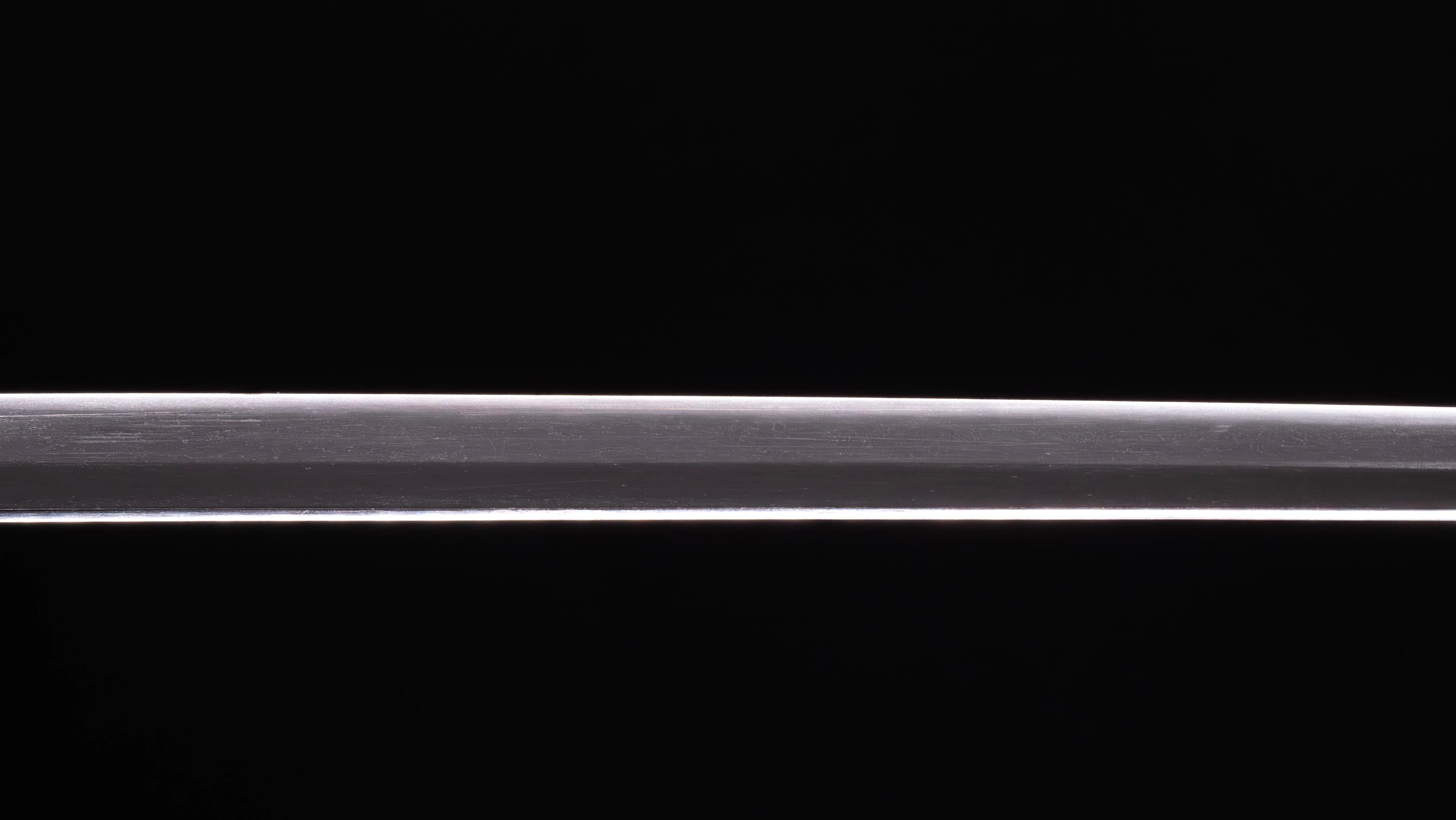
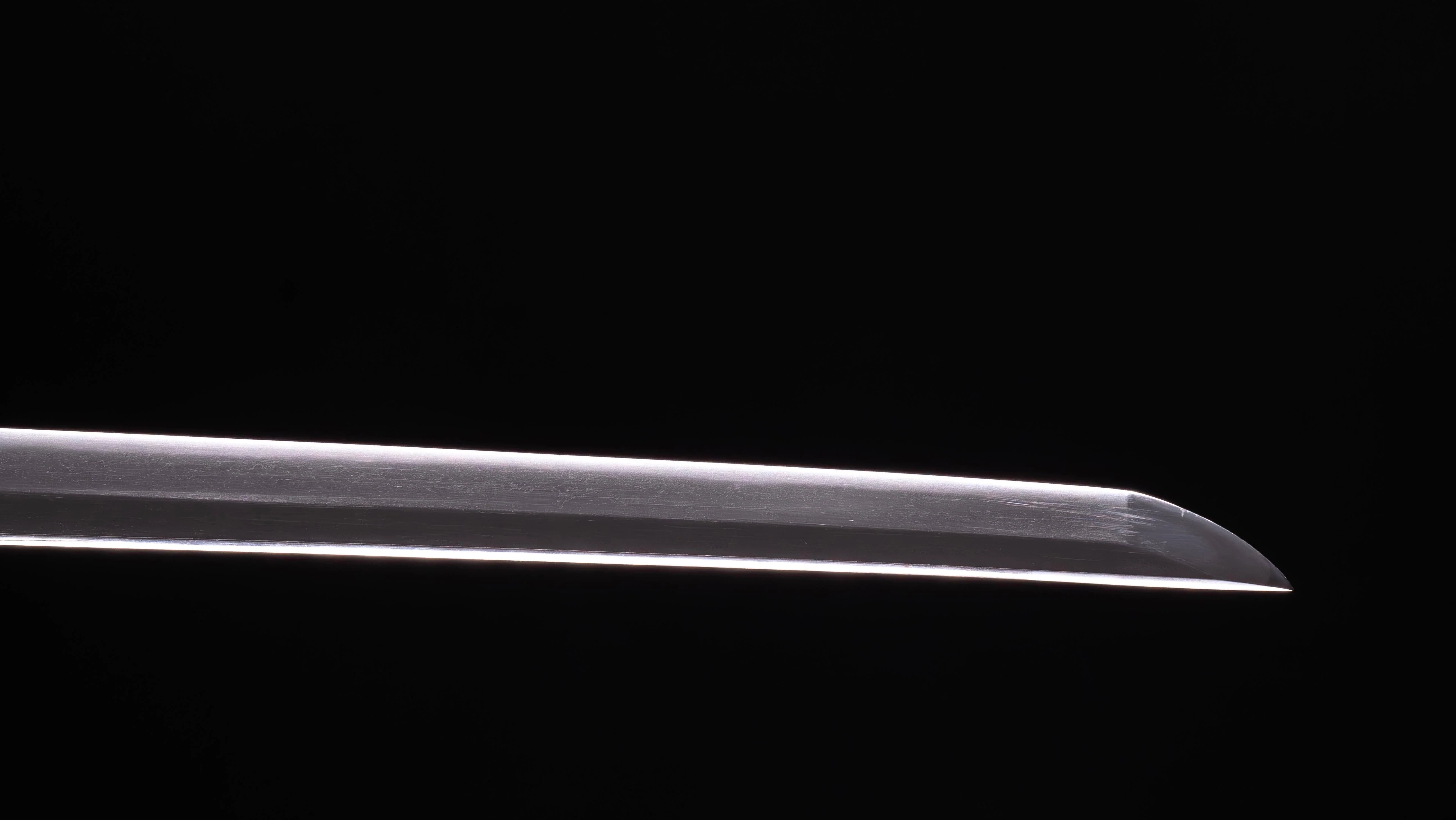
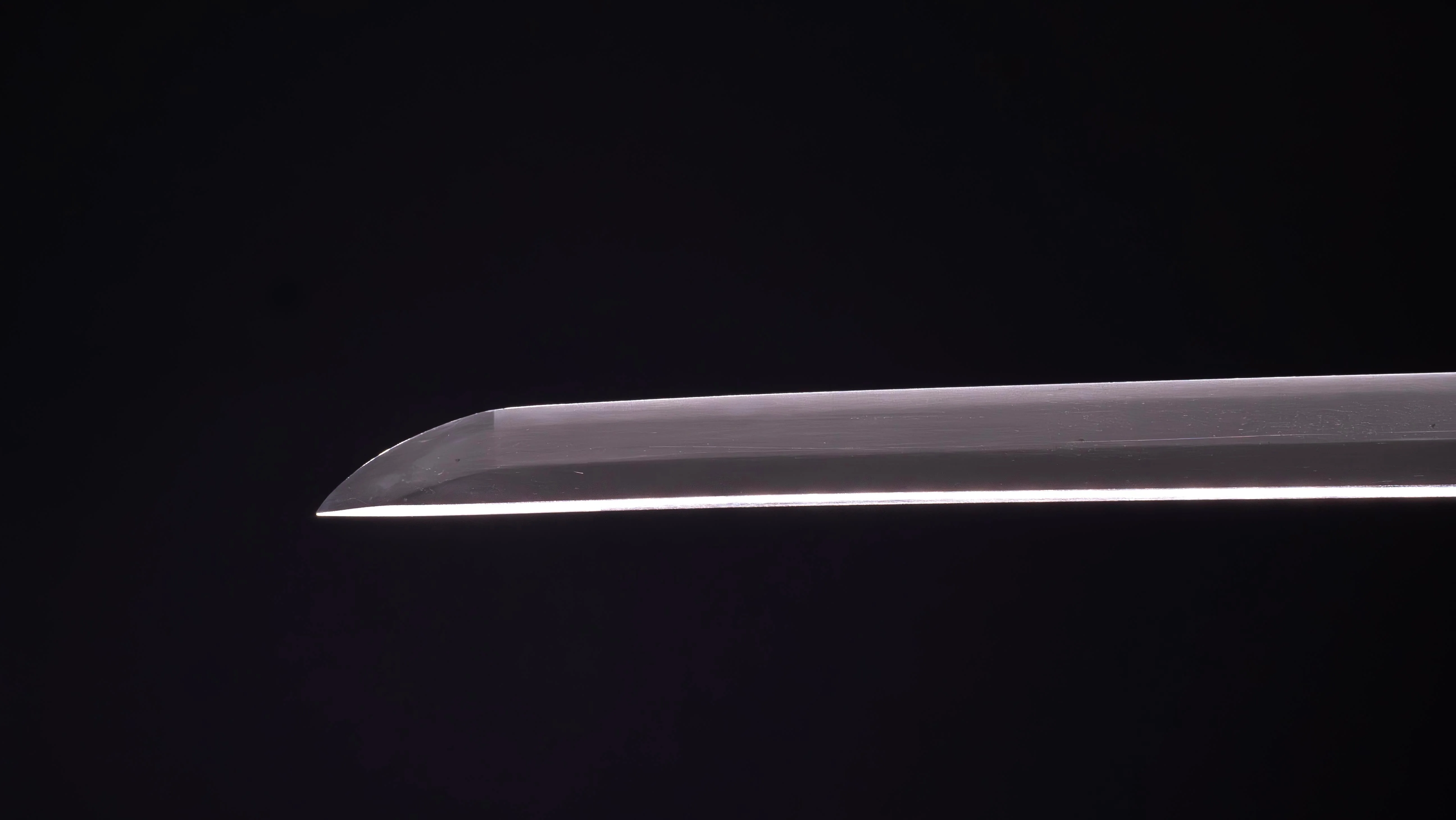
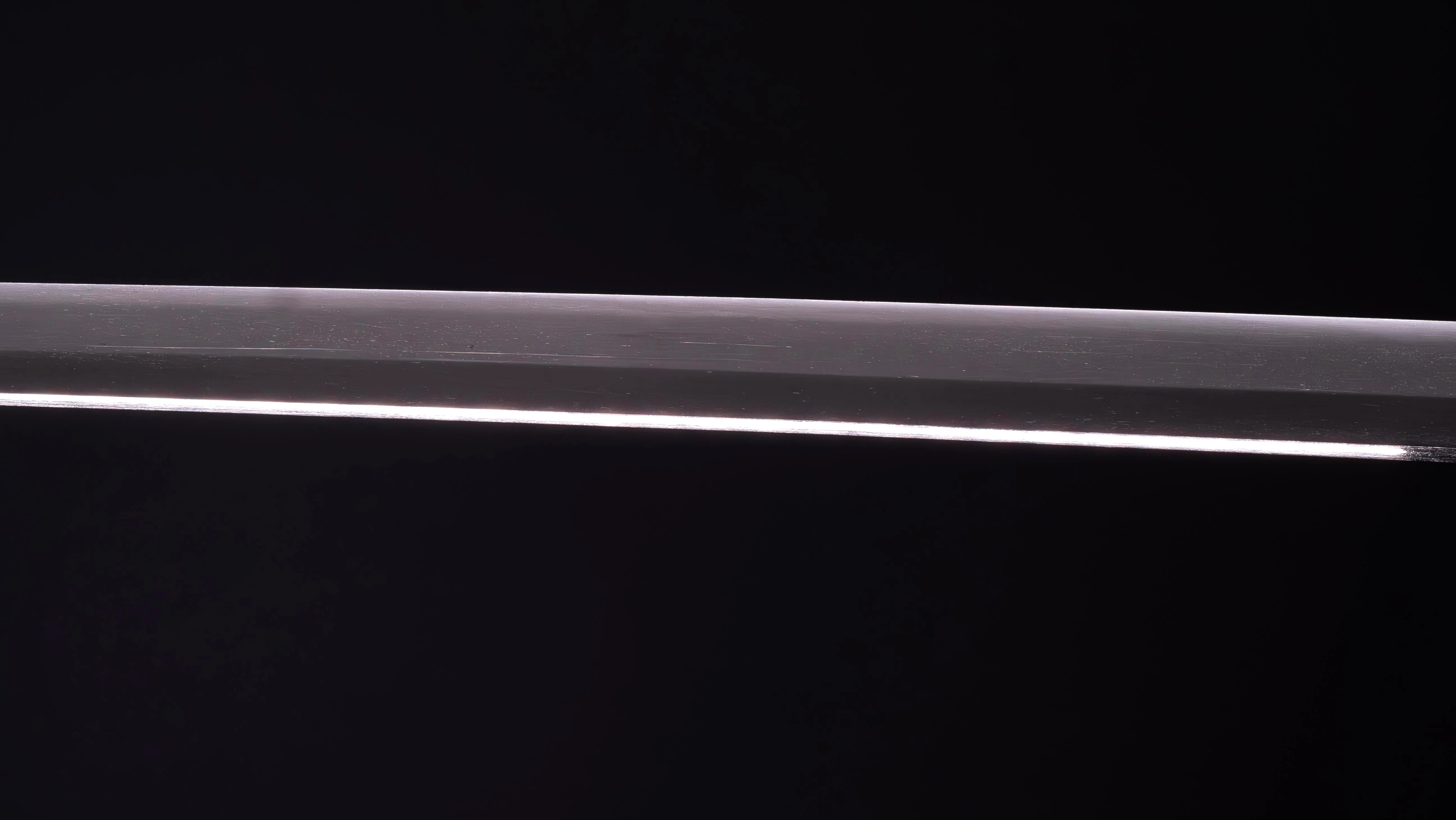
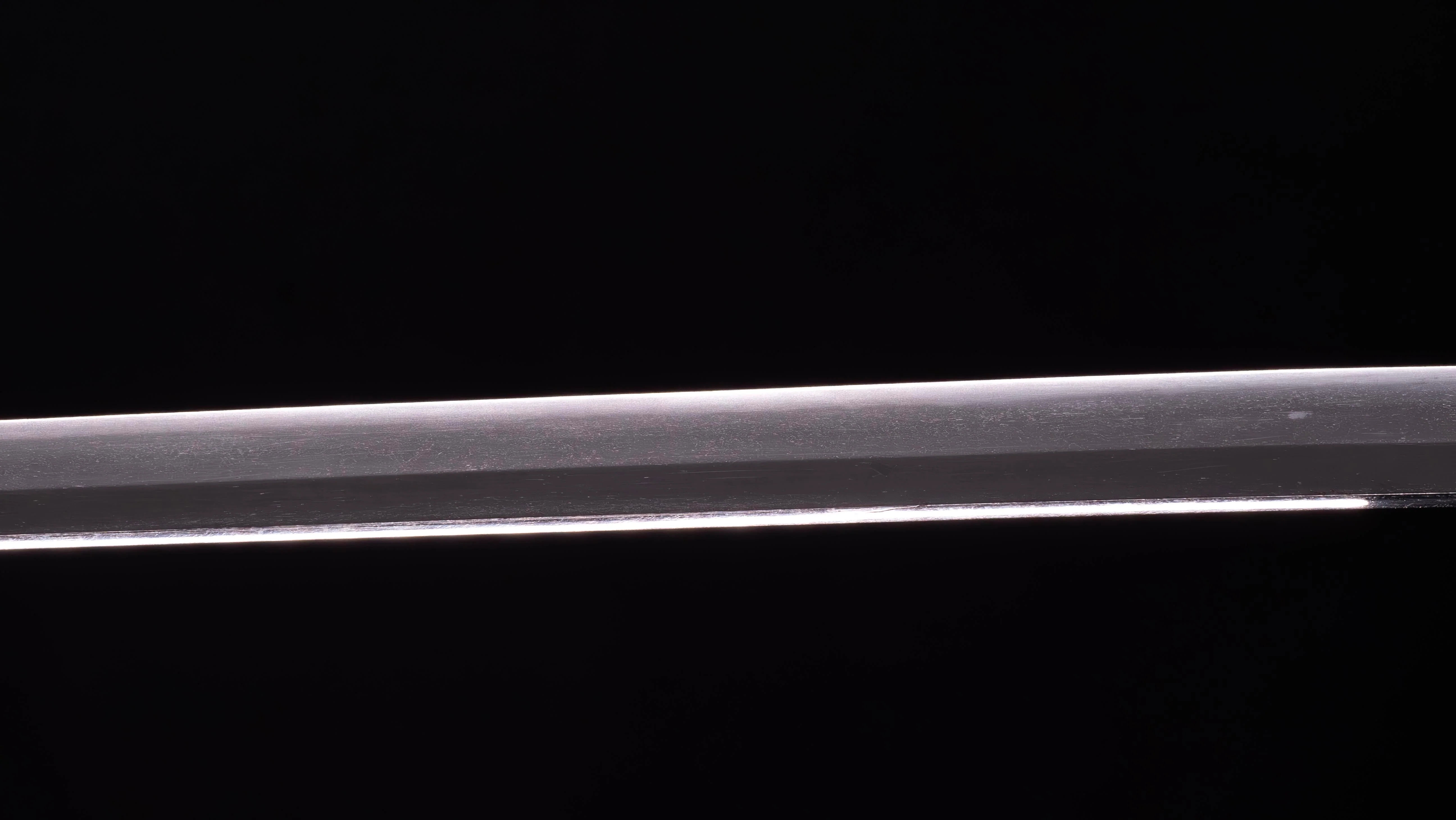
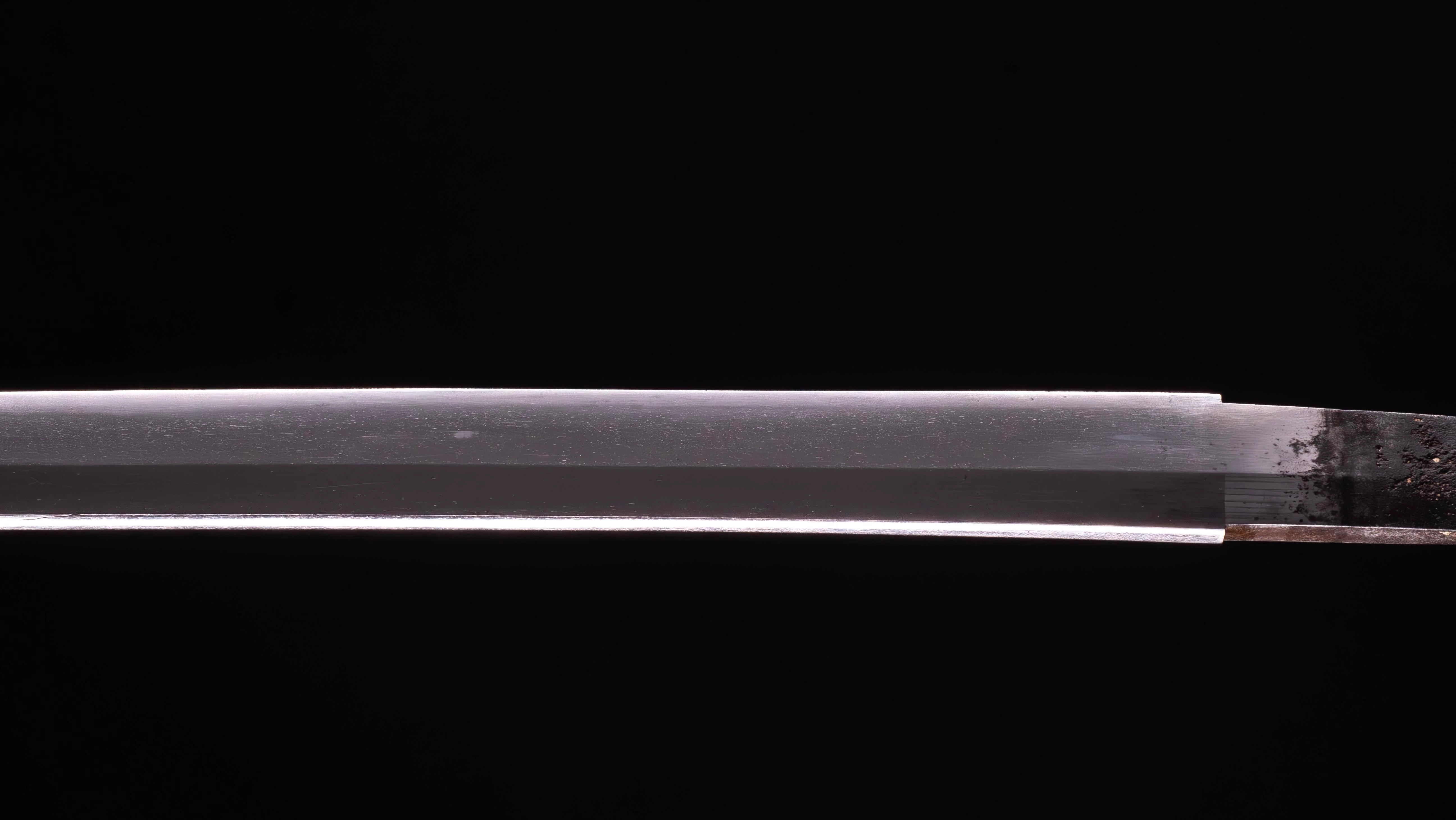
The blade features a length of 63.1 cm, which classifies it as a katana, although its shorter length and shallow curvature (0.4 cm) give it some similarities to tachi swords. The shallow sori is ideal for swift, controlled cutting. The width at the base (motohaba) of 3.00 cm and thickness (motokasane) of 0.7 cm taper smoothly toward the tip, giving the blade a slim but strong cutting edge. The blade’s weight of 640 g ensures it is light enough for quick movements yet sturdy enough for effective combat use.
Swordsmith and School Background:
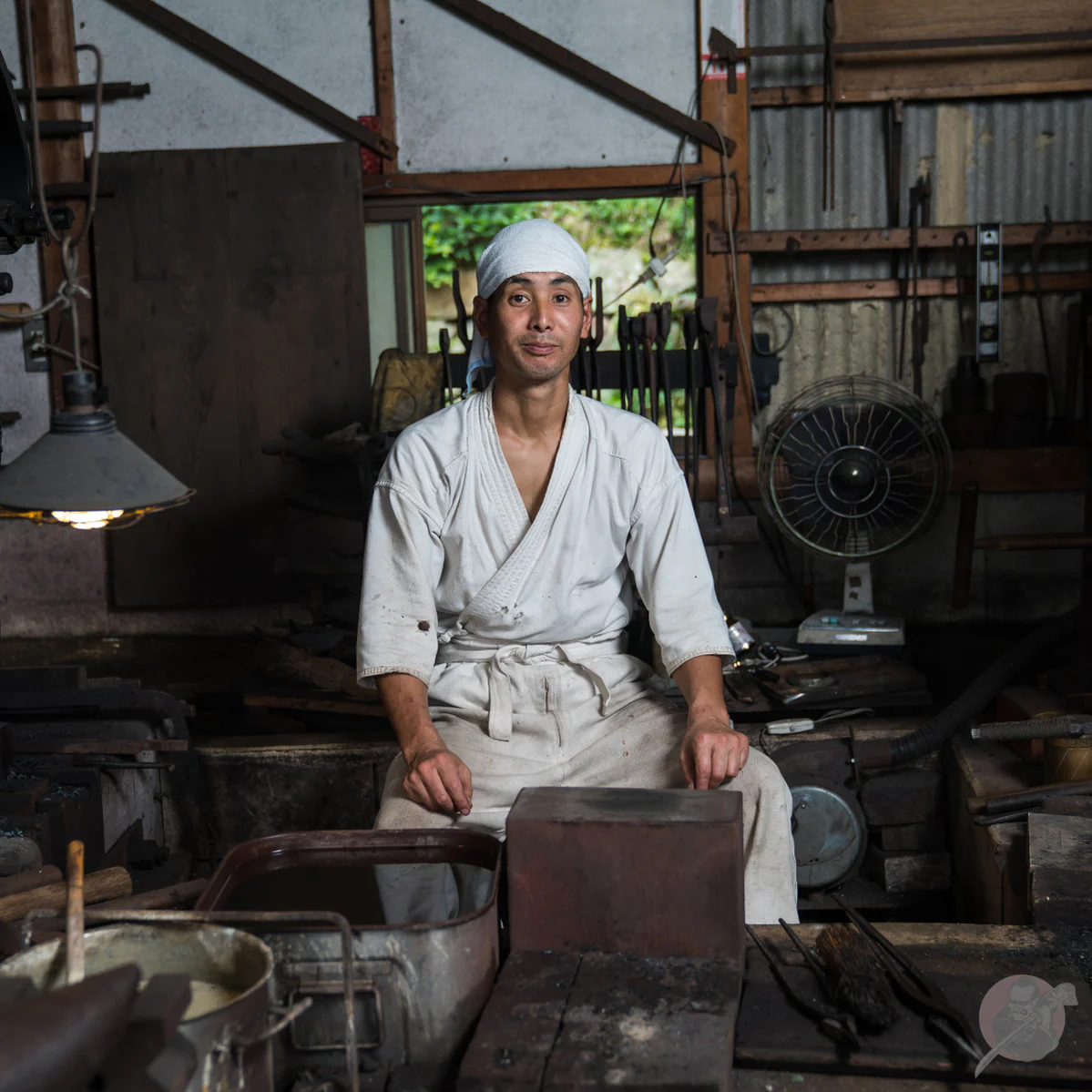
The Takada school was founded by Takada Tomoyuki in Takada village during the Nanbokucho period (1334-1338). This school was known for its practical blades, with a strong emphasis on functionality and durability. Swords from this school were highly sought after by feudal lords in Kyushu, especially during the Sengoku period when demand for strong, battle-ready swords was high.
With access to high-quality materials like iron sand and charcoal from nearby Mount Sobo Katamuki, the Takada school thrived, producing reliable blades that were comparable to the famous Bizen and Mino swords. This blade, attributed to the Edo period, stands as a testament to the enduring legacy of the Takada school.
Original : $2,855.28
-65%$2,855.28
$999.35Plus d'images
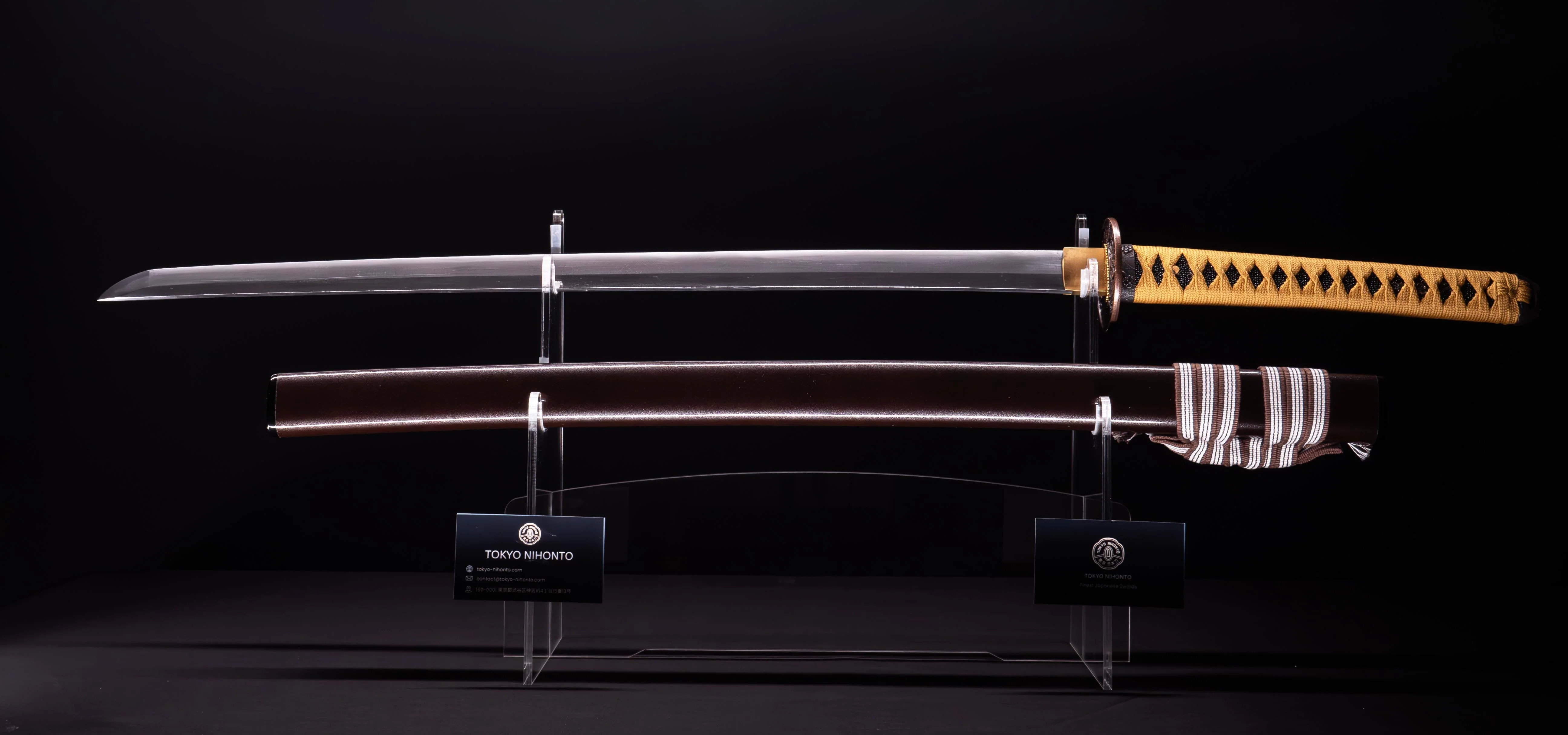





Sabre Antique Japonais Katana par Fujiwara Takada - Hozon
This katana, attributed to the Fujiwara Takada school from the Bungo Province (present-day Oita Prefecture), represents the epitome of practical sword-making from the early Edo period. Though unsigned (mumei), the sword has been appraised and certified to be from the Takada school, a lineage recognized for producing strong, durable blades often used by samurai in battle.
Specifications:
- Signature: Mumei (unsigned)
- Appraisal: Fujiwara Takada
- Blade Length: 63.1 cm
- Curvature (Sori): 0.4 cm
- Width at Base (Motohaba): 3.00 cm
- Thickness at Base (Motokasane): 0.7 cm
- Width at Tip (Sakihaba): 2.20 cm
- Thickness at Tip (Sakikasane): 0.53 cm
- Weight (Blade only): 640 g
Blade Features:
The blade features a length of 63.1 cm, which classifies it as a katana, although its shorter length and shallow curvature (0.4 cm) give it some similarities to tachi swords. The shallow sori is ideal for swift, controlled cutting. The width at the base (motohaba) of 3.00 cm and thickness (motokasane) of 0.7 cm taper smoothly toward the tip, giving the blade a slim but strong cutting edge. The blade’s weight of 640 g ensures it is light enough for quick movements yet sturdy enough for effective combat use.
Swordsmith and School Background:
The Takada school was founded by Takada Tomoyuki in Takada village during the Nanbokucho period (1334-1338). This school was known for its practical blades, with a strong emphasis on functionality and durability. Swords from this school were highly sought after by feudal lords in Kyushu, especially during the Sengoku period when demand for strong, battle-ready swords was high.
With access to high-quality materials like iron sand and charcoal from nearby Mount Sobo Katamuki, the Takada school thrived, producing reliable blades that were comparable to the famous Bizen and Mino swords. This blade, attributed to the Edo period, stands as a testament to the enduring legacy of the Takada school.
Informations sur le produit
Informations sur le produit
Livraison et retours
Livraison et retours
Description
This katana, attributed to the Fujiwara Takada school from the Bungo Province (present-day Oita Prefecture), represents the epitome of practical sword-making from the early Edo period. Though unsigned (mumei), the sword has been appraised and certified to be from the Takada school, a lineage recognized for producing strong, durable blades often used by samurai in battle.
Specifications:
- Signature: Mumei (unsigned)
- Appraisal: Fujiwara Takada
- Blade Length: 63.1 cm
- Curvature (Sori): 0.4 cm
- Width at Base (Motohaba): 3.00 cm
- Thickness at Base (Motokasane): 0.7 cm
- Width at Tip (Sakihaba): 2.20 cm
- Thickness at Tip (Sakikasane): 0.53 cm
- Weight (Blade only): 640 g
Blade Features:
The blade features a length of 63.1 cm, which classifies it as a katana, although its shorter length and shallow curvature (0.4 cm) give it some similarities to tachi swords. The shallow sori is ideal for swift, controlled cutting. The width at the base (motohaba) of 3.00 cm and thickness (motokasane) of 0.7 cm taper smoothly toward the tip, giving the blade a slim but strong cutting edge. The blade’s weight of 640 g ensures it is light enough for quick movements yet sturdy enough for effective combat use.
Swordsmith and School Background:
The Takada school was founded by Takada Tomoyuki in Takada village during the Nanbokucho period (1334-1338). This school was known for its practical blades, with a strong emphasis on functionality and durability. Swords from this school were highly sought after by feudal lords in Kyushu, especially during the Sengoku period when demand for strong, battle-ready swords was high.
With access to high-quality materials like iron sand and charcoal from nearby Mount Sobo Katamuki, the Takada school thrived, producing reliable blades that were comparable to the famous Bizen and Mino swords. This blade, attributed to the Edo period, stands as a testament to the enduring legacy of the Takada school.